

Yuvraj Singh – The King of Longest Six in T20 World Cup History
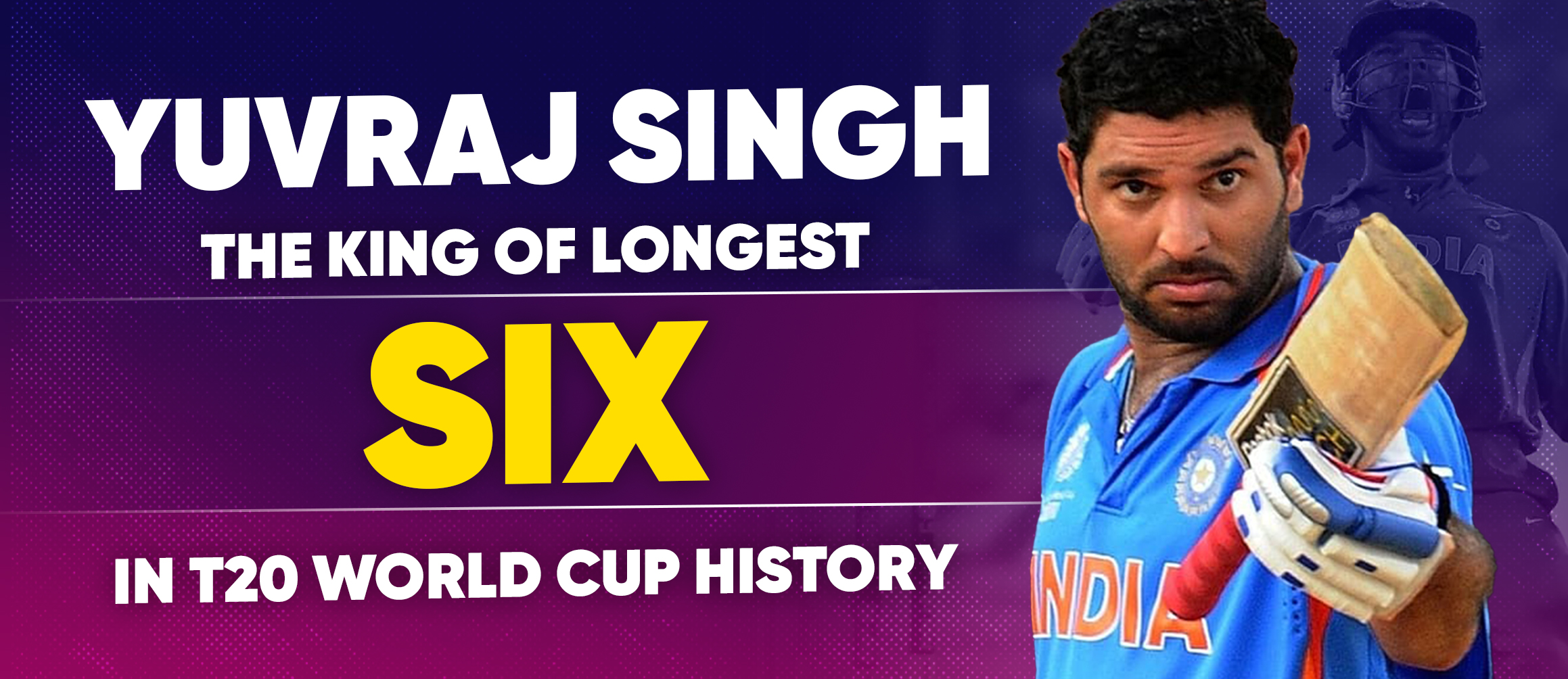
T20 cricket is all about big hits and even bigger sixes. Batsmen around the world keep pushing the boundaries with their powerful strokes. But in the history of the T20 World Cup, one six still reigns supreme – a mammoth 119 meters launched by the legendary Yuvraj Singh!
This incredible feat happened back in the 2007 edition of the tournament, the very first one ever held. India was facing arch-rivals Australia in the high-pressure semi-final. Yuvraj Singh, already a star for his exploits against England in the previous match where he smashed six sixes in a single over was on fire.
India’s start wasn’t ideal, losing their openers early. But when Yuvraj walked out to bat, the entire mood shifted. The first ball he faced was a nasty bouncer, but Yuvraj, unfazed, calmly pulled it for a six, a sign of things to come.
Then came the iconic moment. Brett Lee, the fiery Australian pacer, steamed in with a full toss delivery. Yuvraj, with a flick of his left wrist, calmly sent the ball soaring over the backward square leg boundary. It was a monstrous six, a staggering 119 meters long! This wasn’t just the longest six of the tournaments; it became the longest six ever hit by an Indian batsman.
Yuvraj wasn’t done yet. He continued to punish any loose deliveries from the Australian bowlers, treating them with pure mock. He brought up his fifty in just 21 balls, the fastest in T20 World Cup history at that time, with another booming six. His innings was a masterclass in clean hitting, a glorious display of power and timing.
While Yuvraj’s rampage eventually ended with a caught six, his knock had already done the damage. India coasted to a comfortable victory, setting the stage for their historic win in the final against Pakistan. Yuvraj’s incredible innings, with that record-breaking six, will forever be etched in the memory of every cricket fan. It was a defining moment in the young format’s history, a testament to Yuvraj Singh’s sheer brilliance as a batsman.
-

Most Five-Wicket Hauls by an Indian Bowler in Test Cricket
• 26 Feb, 24 • by Flash ExchangeRavichandran Ashwin, the Indian off-spinner, has added yet another record to his name. His recent performance against England in the fourth Test match showcased his grasp over the red ball. Ashwin's figures of 5 for 51 dismantled the English batting lineup. England folded for just 145 runs in their second innings, setting India a target of 192.
-
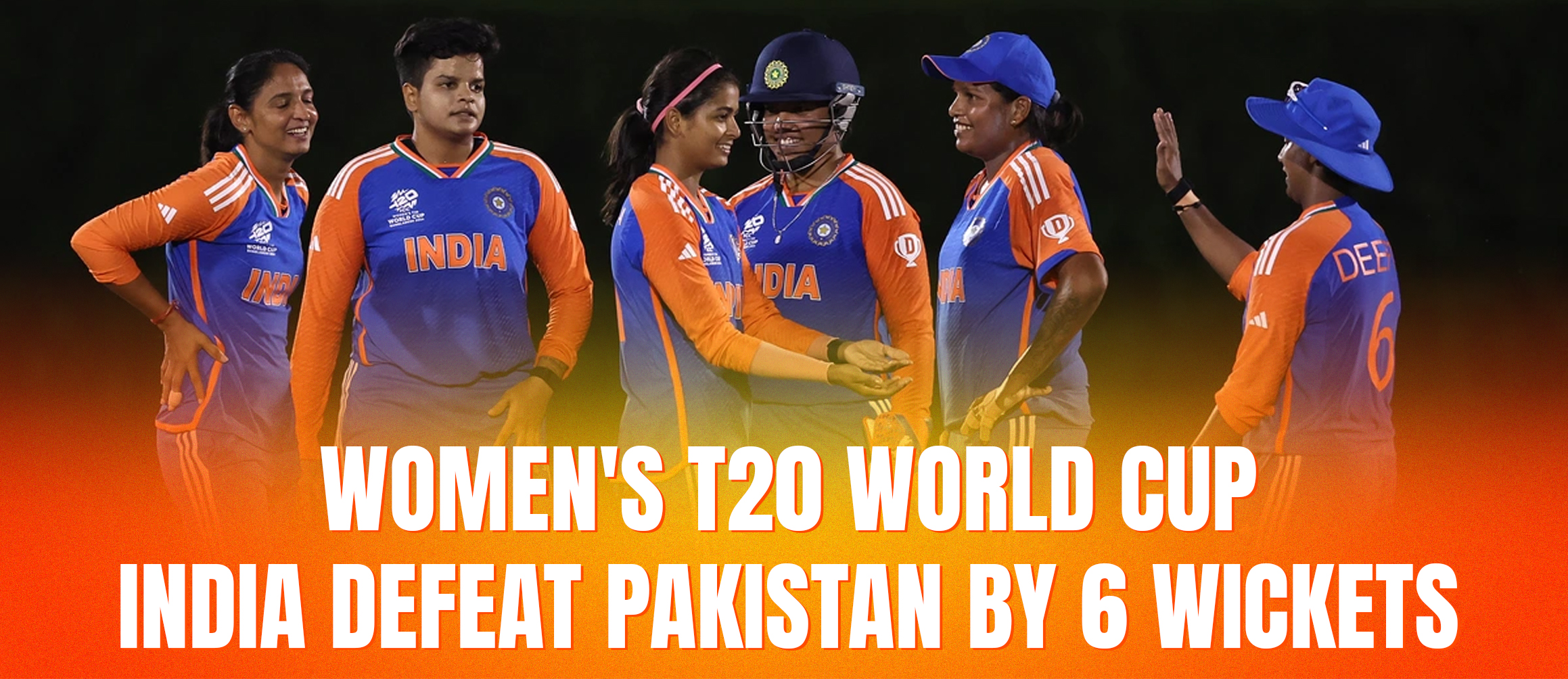
Women’s T20 World Cup: India defeat Pakistan by 6 wickets
• 07 Oct, 24 • by Flash ExchangeIndia registered a significant victory over Pakistan in their Women's T20 World Cup 2024 clash, on Sunday. This much-needed win came after a disappointing start to their campaign
-

World Test Championship Scenarios Ahead of a Crucial Period
• 16 Sep, 24 • by Flash ExchangeAs the race to secure a spot in the 2025 ICC World Test Championship (WTC) final heats up, teams are strategically positioning themselves in the standings.