

Break Down of Duckworth-Lewis Method in Cricket

Imagine you’re playing a game of cricket, and suddenly, the rain pours down. The match stops, and everyone’s wondering, “What now?” This is where the Duckworth-Lewis method, or DLS for short, comes into play.
What’s the Big Deal with Rain in Cricket?
In cricket, each team gets a set number of overs to score runs. When rain cuts the game short, it’s not fair to expect the second team to chase the same target in fewer overs. They need a new, fair target, and that’s what DLS does.
The DLS Method
The DLS method is like a smart calculator. It looks at two things how many overs are left and how many players (wickets) the team still has. It then gives a new target based on these numbers. Think of it as adjusting the goalposts mid-game so both teams have a fair shot at winning.
Calculation
The DLS method is a bit complex, but here’s a simplified version of how the calculation works:
1. Resources: Each team has two main ‘resources’ – the number of overs they get to play and the number of wickets they have left.
2. Standard Resource Table: There’s a special table that shows how much ‘resource’ is left depending on the overs and wickets remaining.
3. Calculate Resources: When play stops, we see how many overs are left and how many wickets the team has lost. Using the table, we find out the percentage of resources left.
4. Adjust the Target: We then adjust the first team’s score based on the second team’s remaining resources. The formula is: Team 2’s par score = Team 1’s score × (Team 2’s resources / Team 1’s resources).
The actual DLS method involves more detailed calculations and tables that take into account the specific conditions of the match. But this gives you a general idea of how it’s done. If you’re looking for the exact method, it involves a lot of math and is usually done by software specifically designed for this purpose.
Why Not Just Cut the Runs Down?
You might think, “Why not just reduce the runs needed according to the overs lost?” Well, cricket isn’t that simple. A team with all players ready and fewer overs can hit harder and take more risks. The DLS method keeps this in mind to set a target that’s just right.
The DLS method uses lots of past match data to make its decisions. It’s like a cricket historian and mathematician rolled into one, ensuring the game stays fair, no matter the weather.
In Simple Words…
If the match is stopped, the DLS method steps in to quickly figure out a new target. It’s like recalibrating your GPS for a new route when you hit a roadblock, ensuring you still get to your destination on time.
Next time the clouds gather at a cricket match, remember the DLS method. It’s the unsung hero that makes sure the game goes on, rain or shine. So grab your umbrella, sit back, and trust the DLS to keep the game fair and exciting!
-

Messi Leads Argentina to Historic Copa America Win Despite Injury
• 15 Jul, 24 • by Flash ExchangeLionel Messi's international career might be reaching its twilight, but the magic is far from over. In a dramatic Copa America final against Colombia on July 15th,
-
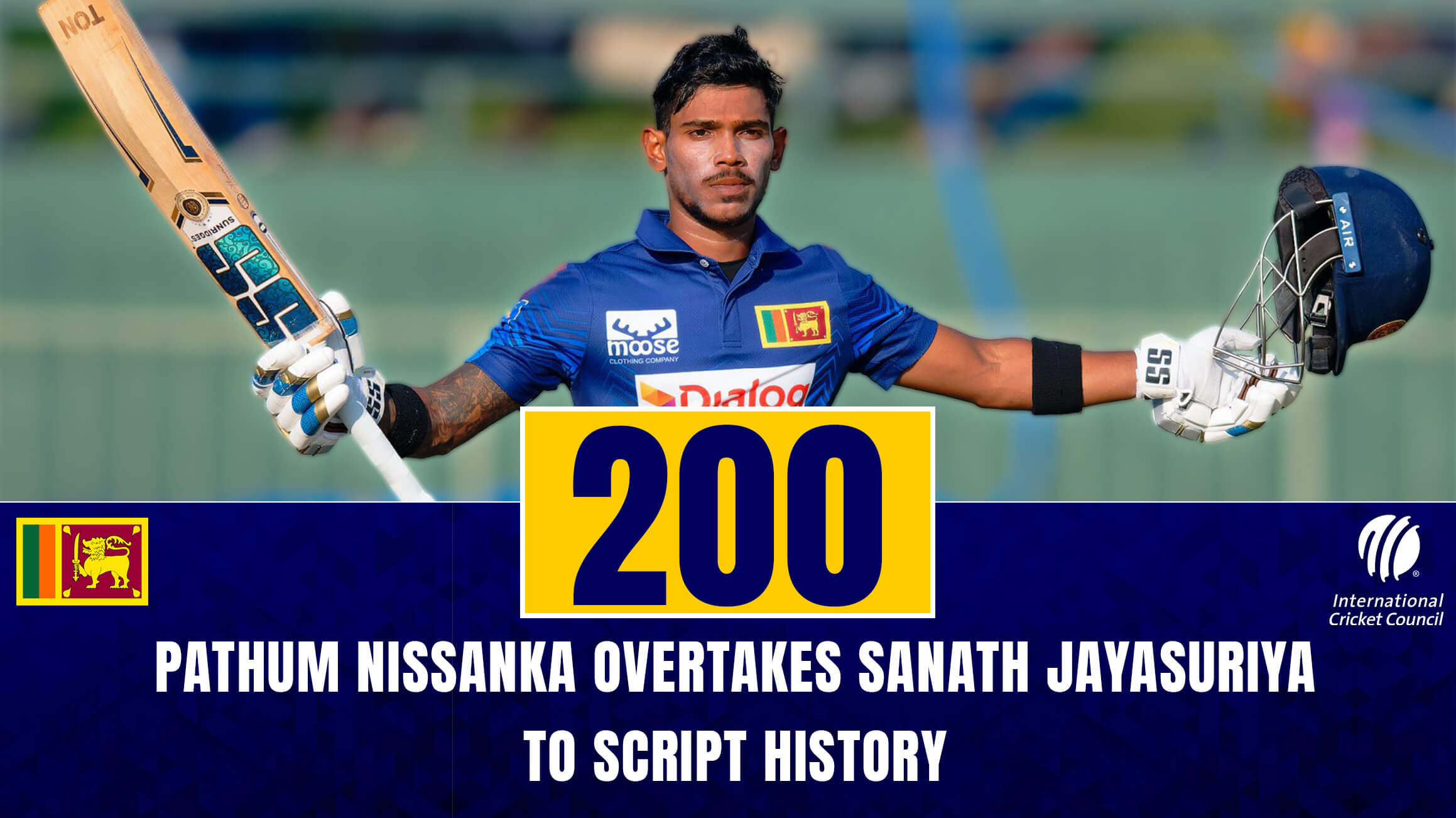
Pathum Nissanka overtakes Sanath Jayasuriya to script history
• 13 Feb, 24 • by Flash ExchangePathum Nissanka wrote his name in the book of Sri Lankan cricket history on February 9th, becoming the first player from the nation to score a double century in ODIs. His unbeaten 210 against Afghanistan shattered the previous record
-
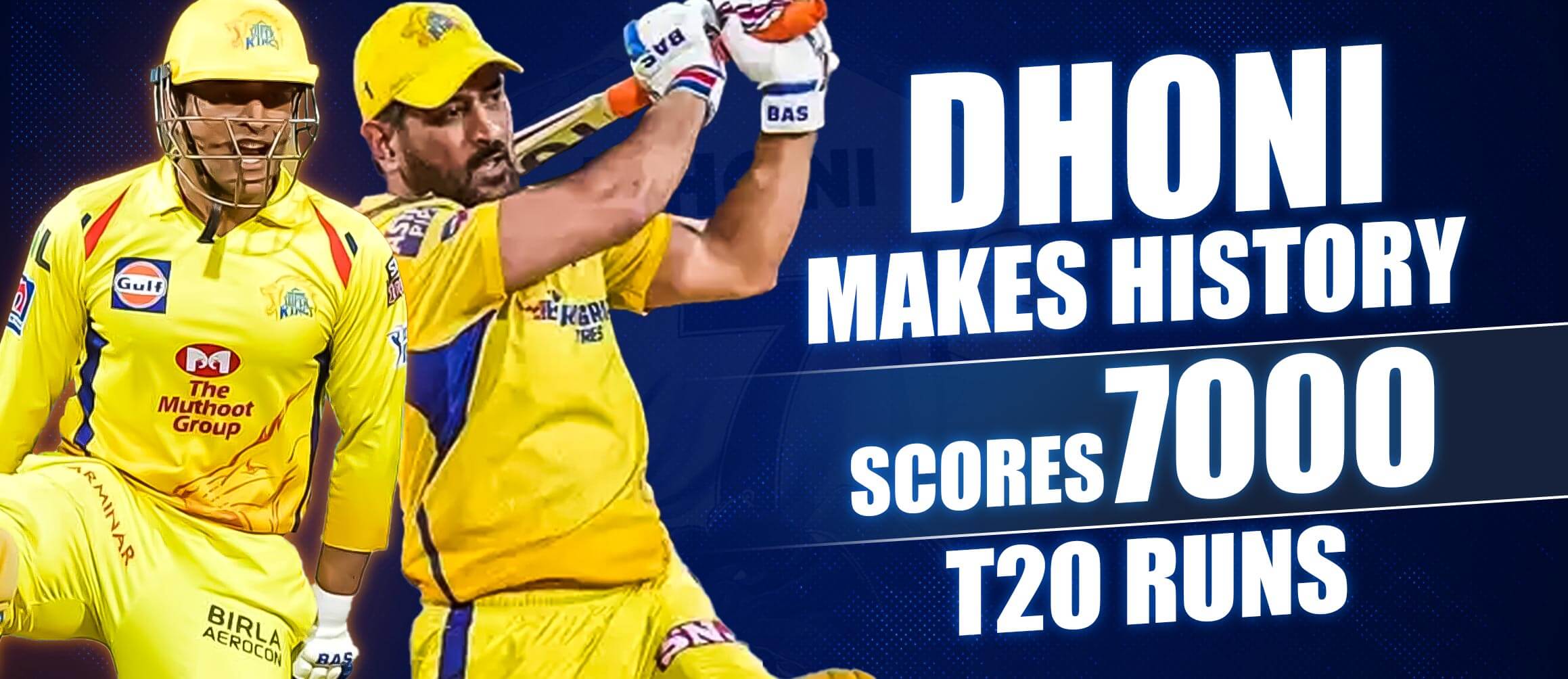
Dhoni Makes History – Scores 7,000 T20 Runs!
• 05 Apr, 24 • by Flash ExchangeIndian cricket legend MS Dhoni, also known as 'Thala' to his fans, just achieved something incredible! During a recent IPL match against Delhi Capitals (DC), Dhoni became the first-ever Indian wicketkeeper to smash a whopping 7,000 runs in T20 cricket! That's right, 7,000 runs while also keeping wickets behind the stumps