

Common Sports Betting Mistakes Beginners Should Avoid

Sports betting can involve many different markets, odds formats and match situations, which can make the experience confusing for someone who is new to it. Understanding the basics before using any real-money betting service is important.
Beginners often make mistakes by betting emotionally, misunderstanding odds, chasing losses, ignoring market rules or assuming that previous results guarantee future outcomes.
This guide explains the most common sports betting mistakes beginners should avoid and provides practical information for approaching sports betting more carefully and responsibly.
What Are the Most Common Sports Betting Mistakes?
The most common mistakes include betting without understanding the market, ignoring odds, making emotional decisions, chasing losses, risking money that cannot comfortably be lost, placing too many bets, relying too heavily on historical results, ignoring team news and failing to read settlement rules.
Recognizing these mistakes does not guarantee better betting results. Sports outcomes remain uncertain, and responsible participation should always come first.
10 Sports Betting Mistakes Beginners Should Avoid
1. Betting Without Understanding the Market
One of the first mistakes beginners make is placing a bet without understanding exactly what they are betting on.
Sportsbooks and betting exchanges can offer different markets, including:
- Match winner
- Handicap or spread
- Over/under totals
- Player performance markets
- Team totals
- First-half or first-innings markets
- Live or in-play markets
Each market has its own rules and settlement conditions.
For example, a match-winner market and an over/under market are asking completely different questions. Before placing a bet, a beginner should understand what outcome is required for the selection to be settled as a win or loss.
2. Ignoring Betting Odds
Odds are one of the most important parts of a betting market.
With decimal odds, the potential total return is generally calculated by multiplying the stake by the decimal odds. For example, a ₹100 stake at decimal odds of 2.00 would produce a potential total return of ₹200 before considering any applicable fees or conditions.
However, odds should not be interpreted as a guarantee.
They represent the price offered for a particular outcome and can incorporate the market’s assessment of probabilities and other factors.
Beginners should therefore learn how odds work before concentrating on individual teams or players.
3. Betting Based on Emotion
Supporting a favorite team can make sports more exciting, but emotional decisions can also affect judgment.
A fan might automatically select their favorite team even when the available information does not support that assumption.
Common emotional betting patterns include:
- Betting because you support a team
- Betting immediately after a disappointing result
- Increasing a stake because you feel strongly about an outcome
- Following a popular team simply because others are discussing it
- Making impulsive live bets after an exciting moment
A better approach is to separate being a sports fan from evaluating a betting market.
4. Chasing Losses
Chasing losses means increasing or continuing betting activity specifically to recover money that has already been lost.
This is one of the most important habits beginners should avoid.
For example, losing ₹500 and then deciding to risk ₹1,000 simply because you want to get the ₹500 back does not make the second outcome more likely.
Previous losses do not change the underlying uncertainty of the next sporting event.
If betting stops being controlled or begins creating financial stress, stepping away from betting is more appropriate than trying to recover losses through additional bets.
5. Risking More Money Than You Can Afford
Another common mistake is treating betting money as if it were disposable income when it is actually needed for everyday expenses.
Money required for rent, food, bills, education, debt repayments or other essential expenses should not be treated as a betting budget.
A responsible approach is to establish a strict entertainment budget before participating and avoid exceeding it.
Sports betting should not be treated as a guaranteed income source, investment strategy or method for solving financial problems.
6. Making Too Many Bets
More bets do not automatically mean more opportunities for successful outcomes.
Beginners sometimes place several bets during the same match because there are many markets available.
This can make it difficult to understand how much money has actually been risked.
Before placing a bet, consider:
- What market am I using?
- What is my stake?
- What are the odds?
- What conditions determine settlement?
- How much have I already committed?
Keeping betting activity limited and organized can make it easier to maintain control.
7. Assuming Past Results Guarantee Future Results
Historical performance can provide context, but it cannot guarantee what will happen next.
A cricket team’s previous record against an opponent, for example, may look impressive, but future conditions can be different.
Important variables can include:
- Player availability
- Injuries
- Team selection
- Current form
- Venue
- Weather
- Pitch conditions
- Toss result
- Tactical changes
- Competition format
Historical statistics are therefore information to consider, not proof of a future result.
8. Ignoring Team News and Match Context
Sports markets can change when important information becomes available.
Depending on the sport, relevant developments might include:
- Injuries
- Suspensions
- Starting-lineup announcements
- Player rotation
- Weather changes
- Venue conditions
- Tactical changes
- Schedule congestion
For cricket, the toss can also change the context of a match because teams may choose to bat or bowl first based on conditions.
For football or basketball, confirmed lineups and player availability can similarly change how a match is viewed.
Beginners should understand that a market can change when new information becomes available.
9. Not Reading Betting Rules
A selection that appears straightforward may have specific settlement rules.
Before using a betting service, beginners should understand conditions related to:
- Match abandonment
- Postponements
- Player non-participation
- Extra time
- Cancellations
- Suspended markets
- Void selections
- Minimum match requirements
- Market-specific settlement
The exact rules can differ between operators and markets.
Reading the applicable terms before placing a bet can prevent misunderstandings later.
10. Failing to Track Betting Activity
Beginners can underestimate their total betting activity when individual bets are small.
Keeping a simple record can make activity easier to understand.
Tracking activity is not a method for guaranteeing profit. Its purpose is to make spending and betting patterns more visible.
How Beginners Can Approach Sports Betting Responsibly
Responsible participation starts with recognizing that sports betting involves uncertainty.
A few basic principles can help:
Set a Fixed Budget
Decide how much money, if any, you are willing to spend before participating.
Do not increase the budget simply because of previous losses.
Understand the Market
Learn what the market means, what the odds represent and how the result will be settled.
Avoid Chasing Losses
A losing bet should not automatically lead to another bet intended to recover the previous loss.
Take Breaks
If betting starts becoming stressful, frustrating or difficult to control, taking a break can help create distance from impulsive decisions.
Protect Your Account
Use strong passwords and protect account credentials. Understand the platform’s deposit, withdrawal and verification requirements before using real money.
Check Local Rules
Sports betting laws and regulations can vary between countries and jurisdictions. Users should verify the rules that apply to their location and the particular activity before participating.
For responsible gaming information, users should also understand any available deposit limits, spending controls, self-exclusion options or other responsible-gaming tools provided by the relevant service.
Factors to Understand Before Placing a Sports Bet
Before participating in a sports betting market, beginners can ask themselves several basic questions:
Do I understand the market?
If you cannot explain what needs to happen for the bet to win or lose, you may not understand the market sufficiently.
Do I understand the odds?
Know what the displayed odds mean and how potential returns are calculated.
Can I afford the stake?
Never use money needed for essential expenses.
Am I betting because of emotion?
Being confident about your favorite team is different from having objective information about a market.
Am I trying to recover a previous loss?
If the main reason for another bet is recovering money already lost, stop and reconsider.
Have I checked the rules?
Understand how postponements, cancellations, player participation and other relevant situations are handled.
Frequently Asked Questions
What is the biggest sports betting mistake beginners make?
One common mistake is betting without understanding the market, odds or settlement rules. Beginners may also make emotional bets or chase previous losses.
Why is chasing betting losses risky?
Chasing losses can lead to increasingly large or frequent bets. A previous loss does not make the next sporting outcome more likely, so increasing the stake does not guarantee recovery.
How should beginners understand betting odds?
Beginners should first learn the odds format being used and understand how it relates to the potential return. Odds are not guarantees of an outcome.
Does previous team performance guarantee a future result?
No. Historical results can provide context, but injuries, team selection, venue, weather, tactics and other factors can change future matches.
Should beginners place many bets at once?
There is no requirement to place multiple bets. More bets can make it harder to monitor total spending and understand overall exposure.
Why can emotional betting be a problem?
Strong emotions can encourage impulsive decisions, particularly after a surprising result or when supporting a favorite team.
What should beginners check before placing a sports bet?
They should understand the market, odds, stake, settlement conditions and applicable rules. They should also consider whether the amount being risked is affordable.
Is live betting easier for beginners?
Live betting can involve rapidly changing odds and markets. Beginners should understand how in-play markets work before considering them.
Can sports betting be used as a reliable source of income?
Sports betting should not be treated as guaranteed income or a substitute for employment or investment. Sporting outcomes are uncertain and losses can occur.
What should someone do if betting becomes difficult to control?
Taking a break, stopping betting activity and using available responsible-gaming controls can be appropriate. If gambling is causing financial or personal problems, seeking professional support can also be useful.
Final Takeaway
Understanding common sports betting mistakes is an important part of becoming an informed participant.
The key mistakes to avoid include misunderstanding markets, ignoring odds, betting emotionally, chasing losses, risking essential money, making excessive bets, relying too heavily on historical results and failing to read settlement rules.
For readers exploring online sports gaming, the same principle applies: understand the activity and its conditions before using real money.
Those interested in exploring different online casino and gaming options should likewise review the relevant rules, costs, risks and responsible-gaming information before participating.
Most importantly, sports betting should be approached as a form of entertainment rather than a guaranteed method of earning money. Set clear limits, understand the risks and avoid making decisions based on the pressure to recover losses.
-

Top 5 Indian bowlers to take most test wickets at home
• 21 Feb, 24 • by Flash ExchangeIndian cricket boasts a rich history of bowling greats, leaving their mark on international batting legends. These legends shine even brighter when considering their performances on home soil, where spinners often weave their magic.
-

Mohammed Siraj’s IPL Nightmare
• 15 Apr, 24 • by Flash ExchangeLast year, Mohammed Siraj was the star bowler of the IPL. He dominated the first six overs of innings, taking wickets and barely giving away any runs. This season, however, things have gone terribly wrong for Siraj. In 2023, Siraj was the second-highest wicket-taker in the powerplay, just behind Mohammed Shami. He was so good that his bowling average was just under 6 runs per over
-
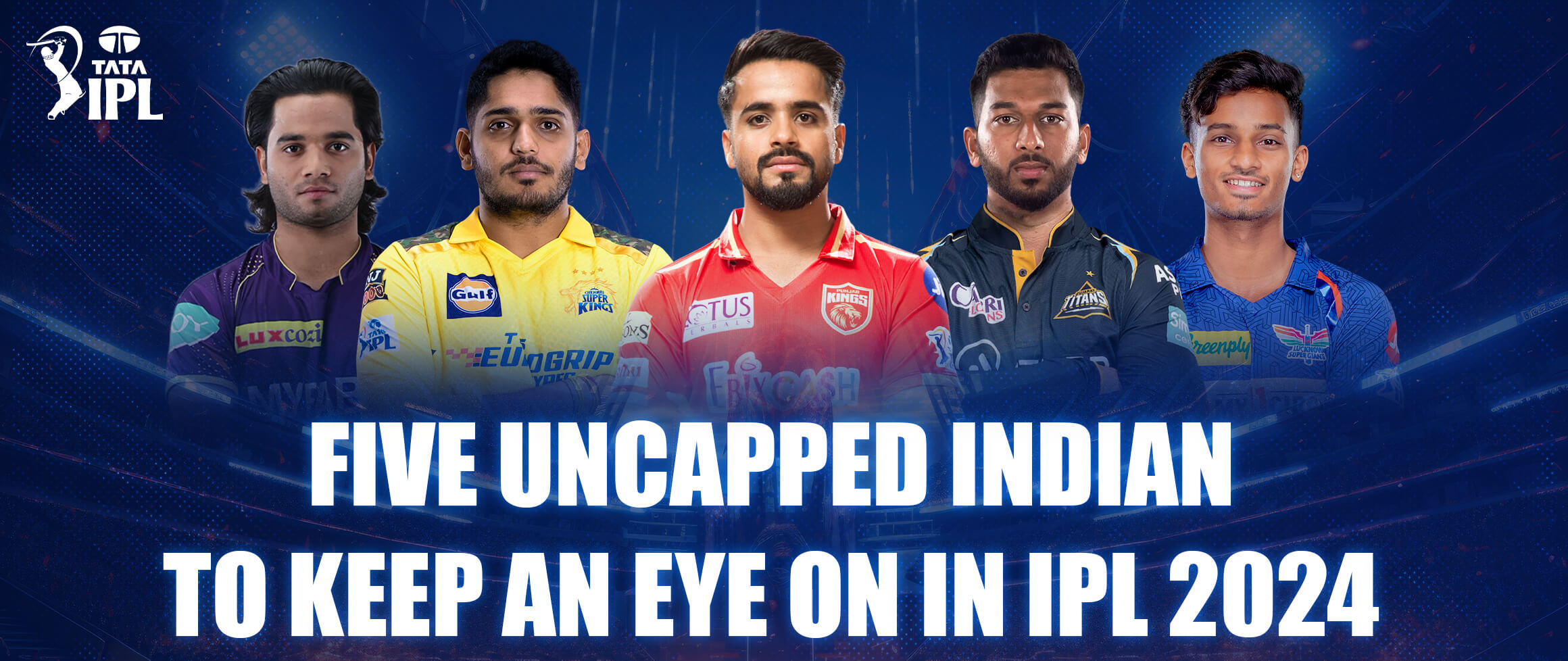
Five Uncapped Stars to Watch in IPL 2024
• 29 Feb, 24 • by Flash ExchangeAs the thrill of IPL 2024 draws closer, the spotlight shines bright on the next generation of Indian cricketers. This carnival of cricket shows the extraordinary skills of seasoned international stars and the hidden gems within India. These uncapped players, untested at the highest level, crave to write their names in history alongside the established stars.