

Why Is Cricket So Popular in India? A Cultural Deep-Dive
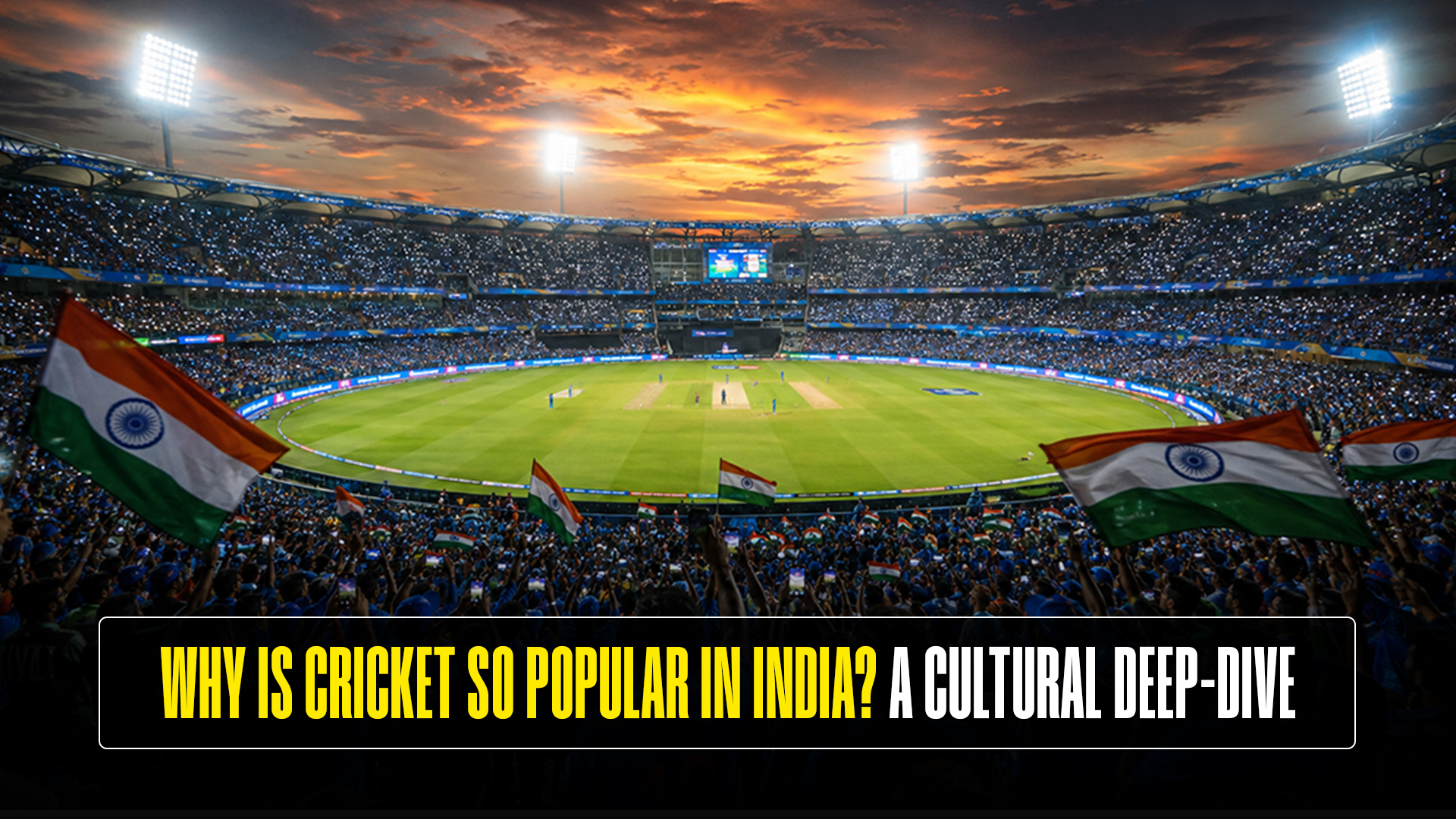
In most countries, sport is a pastime. In India, cricket is something closer to a faith. It is played in dusty alleyways and manicured stadiums, followed by farmers and film stars alike, and capable of stopping a nation of over a billion people in its tracks for a single match. No other sport on earth commands this kind of devotion from this many people.
But why? How did a game introduced by British colonisers become the beating heart of modern Indian identity? The answer is a fascinating blend of history, timing, heroes and money.
A Colonial Seed That Grew Into Something Indian
Cricket’s Indian story begins, ironically, with the very empire it would later help the country stand up to.
The British introduced cricket to India in the 18th century, and for decades it was largely the preserve of colonial officers and Indian royalty. But rather than remaining a symbol of foreign rule, the game was embraced, absorbed and transformed by Indians into something of their own.
By the time India gained independence in 1947, cricket had already sunk deep roots. Beating English or Australian teams on the field carried a powerful symbolic weight for a newly independent nation eager to prove itself. The sport became a source of pride and identity, a peaceful arena in which a young country could compete with, and defeat, the established powers of the world.
The 1983 Moment That Changed Everything
Every religion has a defining miracle. For Indian cricket, it happened on a June evening at Lord’s in 1983.
Kapil’s Devils and a Billion New Fans
India arrived at the 1983 World Cup as 66-to-1 outsiders, given virtually no chance against the all-conquering West Indies. Yet Kapil Dev’s underdogs pulled off one of the greatest upsets in sporting history, defending a modest total to become world champions. The victory did not just win a trophy; it detonated a cultural explosion.
Overnight, cricket was transformed from a popular sport into a national obsession. Children who watched that final picked up bats and dreamed of glory, a generation of future stars was born, and the commercial world suddenly grasped the staggering scale of the audience cricket could command.
Television Brings the Game to Every Home
The timing was perfect. As India’s television ownership boomed through the 1980s and 1990s, live cricket entered hundreds of millions of homes for the first time. Matches became shared national events, uniting families and strangers around a single screen. Cricket was no longer something most people read about; it was something everyone could watch, feel and live together.
Heroes Who Became Gods
Sport creates icons, but Indian cricket creates deities.
No figure embodies this better than Sachin Tendulkar. For over two decades, the “Little Master” carried the hopes of a nation on his shoulders, and his batting was treated with an almost religious reverence. It was often said that a large part of India stopped watching once Tendulkar was dismissed.
He was not alone. From the aggressive leadership of Sourav Ganguly to the icy brilliance of MS Dhoni and the relentless passion of Virat Kohli, Indian cricketers occupy a space in public life usually reserved for movie stars. They dominate advertisements and headlines, carrying an emotional connection with fans that transcends the sport itself.
The IPL and the Business of a Cricketing Superpower
If 1983 lit the fire, the Indian Premier League poured rocket fuel on it. Launched in 2008, the IPL fused cricket with Bollywood glamour, city-based loyalties, and enormous financial ecosystems to create a new entertainment product. This explosive growth also drove unprecedented engagement on every global sport betting exchange, where live ball-by-ball odds and dynamic match markets attract massive global interest.
It turned a five-day sport into a three-hour prime-time spectacle, complete with cheerleaders, music and superstar overseas players, becoming the richest and most-watched cricket league on the planet.
This commercial might have translated directly into global power. India now generates the overwhelming majority of world cricket’s revenue, giving its board unmatched influence over how the international game is run.
More Than a Game: Cricket as Social Glue
Beyond the trophies and the money, cricket’s deepest power in India is social.
A Nation United by a Single Score
In a vast and diverse country of many languages, religions and cultures, cricket is one of the rare things that unites almost everyone. A high-stakes match, particularly against a rival like Pakistan or Australia, brings the entire nation to a standstill, cutting across every divide of caste, class and creed. Offices empty, streets fall quiet, and conversations everywhere turn to the same score.
That unifying passion is also what underpins India’s extraordinary influence over the global game. The sheer size and devotion of its fanbase generates the money and power that now shapes world cricket, a dynamic explored in this analysis of the Big Three and their grip on world cricket power, where India’s economic weight increasingly steers the decisions of the entire sport. Popularity, in other words, has become a form of authority.
From Gully Cricket to the Grassroots
The game is also astonishingly accessible. All it takes is a bat, a ball and a patch of open ground, which is why “gully cricket” thrives in every neighbourhood from the biggest cities to the smallest villages. This grassroots ubiquity ensures the passion is passed down through generations, keeping the sport woven into the fabric of everyday Indian life.
Conclusion
So, why is cricket so popular in India? Because it is far more than a sport. It is a colonial inheritance reclaimed as a symbol of national pride, a game immortalised by the miracle of 1983, and a stage for heroes worshipped like gods. It is a commercial juggernaut that has made India the most powerful force in world cricket, and a social force that unites a billion people like nothing else can. Cricket in India is history, entertainment, business and emotion rolled into one, and that unique combination is exactly why its flame burns brighter there than anywhere else on earth.
Frequently Asked Questions (FAQs)
- How did cricket first come to India? Cricket was introduced by the British in the 18th century during colonial rule. Initially played by colonial officers and Indian royalty, it was gradually embraced and transformed by Indians into a sport of their own.
- Why was the 1983 World Cup win so important for Indian cricket? India’s shock 1983 victory over the West Indies transformed cricket into a national obsession, inspiring a generation of players and triggering the commercial boom that reshaped the game.
- Who is the most worshipped cricketer in India? Sachin Tendulkar is the most revered, often described in near-religious terms. For over two decades he carried the nation’s hopes, and his batting commanded a devotion rarely seen in any sport.
- How did the IPL boost cricket’s popularity? Launched in 2008, the Indian Premier League combined cricket with entertainment, city franchises and major investment to become the world’s richest and most-watched league, further embedding the sport in Indian culture.
- Why does cricket unite India so strongly? In a country of immense diversity, cricket cuts across language, religion, caste and class. Big matches bring the whole nation to a standstill, making the sport a rare and powerful source of shared identity.
- Is cricket really more than just a sport in India? Yes. Cricket in India functions as a blend of national pride, entertainment, big business and social unity, with a cultural significance that goes far beyond the boundary.
-
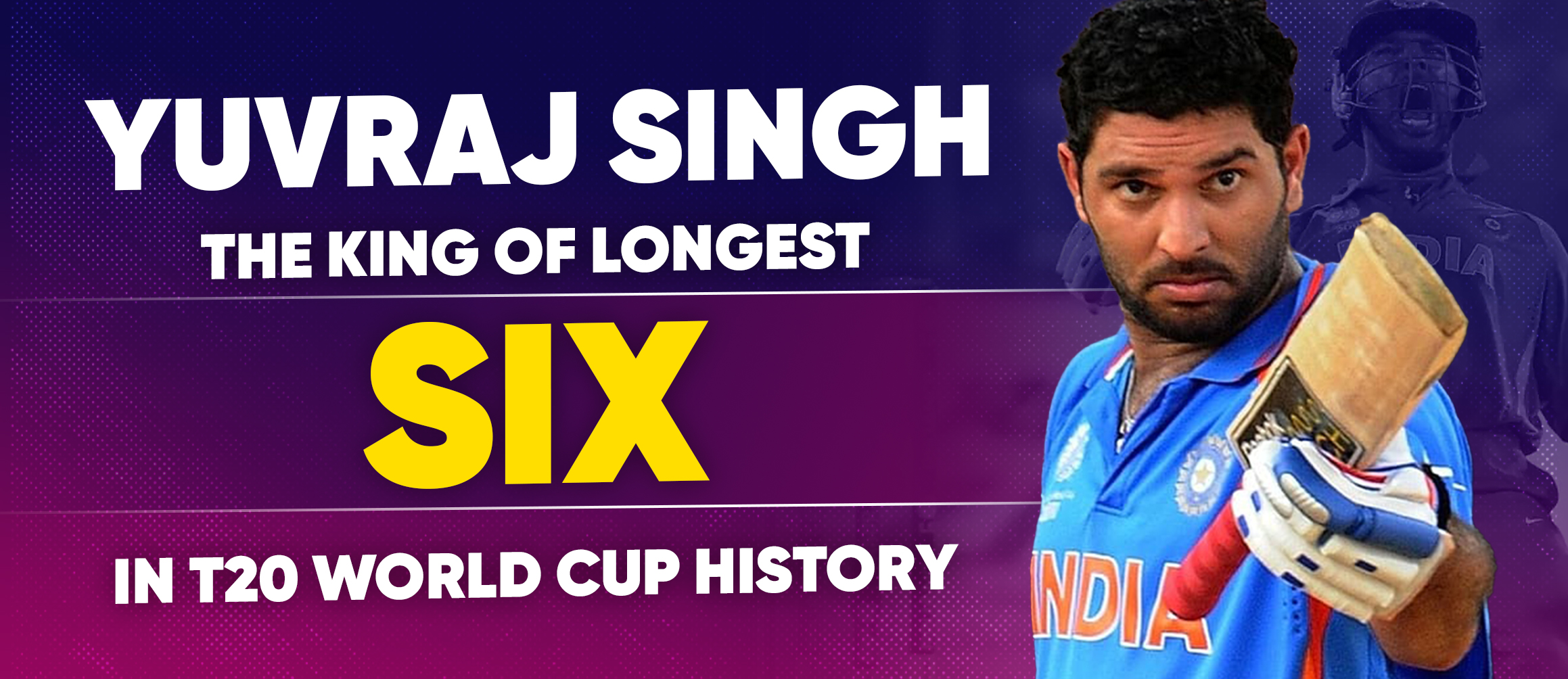
Yuvraj Singh – The King of Longest Six in T20 World Cup History
• 31 May, 24 • by Flash Exchangein the history of the T20 World Cup, one six still reigns supreme - a mammoth 119 meters launched by the legendary Yuvraj Singh
-

Gary Kirsten Steps Down as Pakistan’s White-Ball Coach
• 28 Oct, 24 • by Flash ExchangeIn a shocking turn of events, Gary Kirsten has abruptly resigned as the head coach of Pakistan's ODI and T20I teams. This decision comes just a week before Pakistan's crucial
-
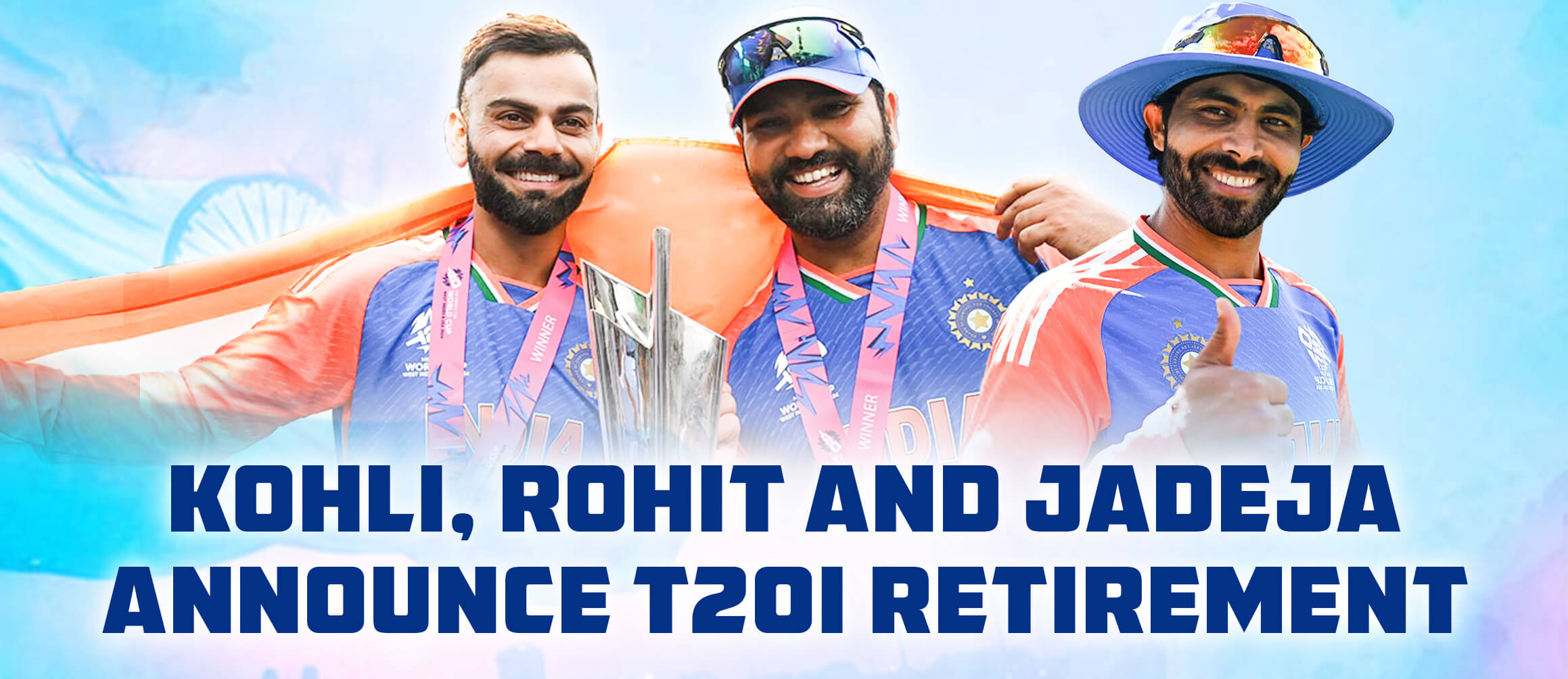
Kohli, Rohit and Jadeja Announce T20I Retirement
• 30 Jun, 24 • by Flash ExchangeIndia's historic win at the T20 World Cup 2024 was not just about lifting the trophy after a long wait, it also marked the farewell of three most celebrated players.