

The ‘Big Three’ in World Cricket: India, Australia and England’s Grip on Power
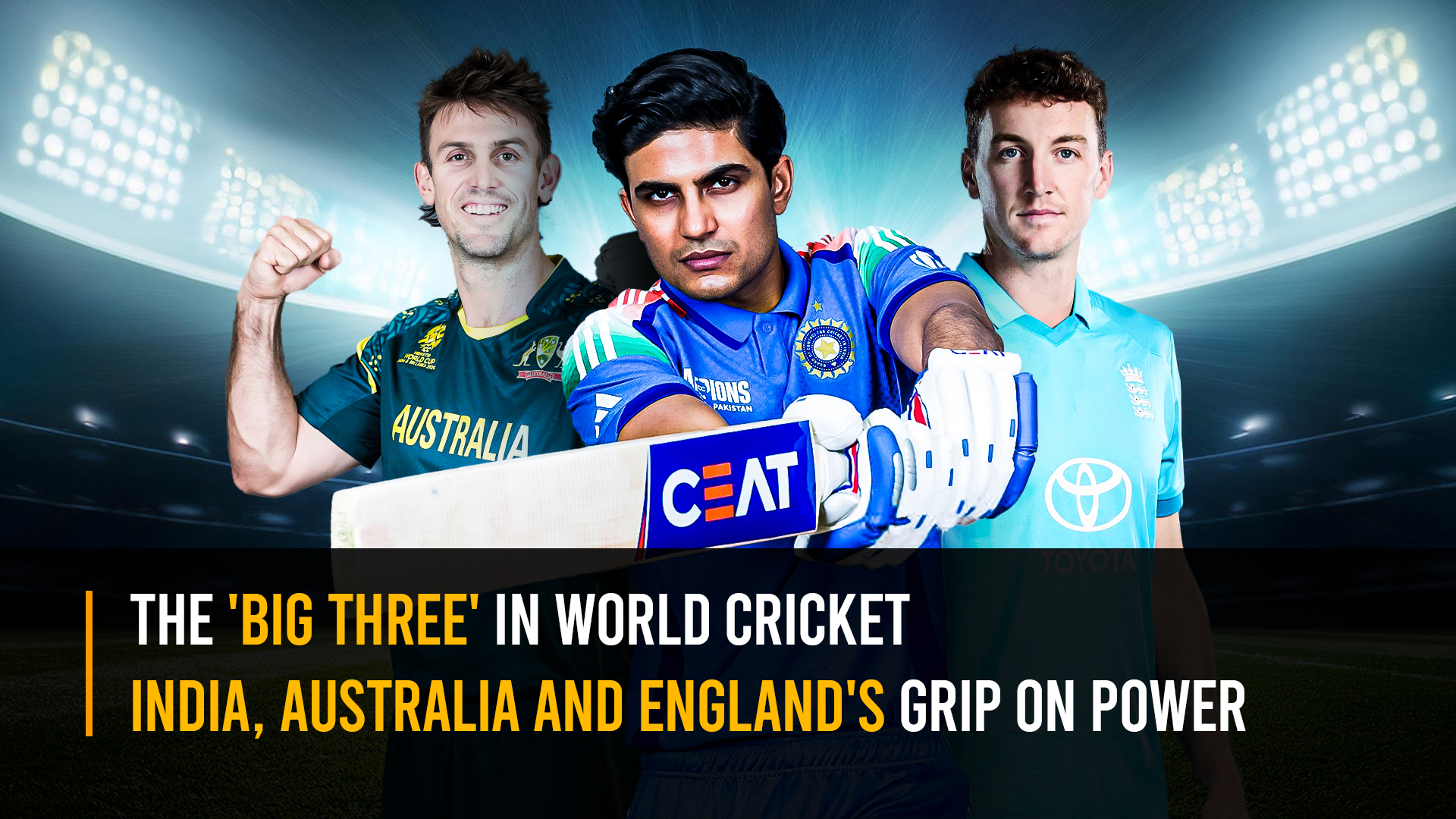
Cricket may be played by eleven, but it is governed by three. For more than a decade, the sport’s direction, its money and its power have been shaped overwhelmingly by India, Australia and England, a trio known across the cricketing world simply as the “Big Three.”
It is a phrase that carries admiration and resentment in equal measure. To some, it reflects the natural pull of the game’s biggest markets; to others, an imbalance that leaves smaller nations fighting for scraps. Either way, understanding the Big Three is the key to understanding how modern cricket really works.
What Exactly Is the ‘Big Three’?
The term refers to the three most financially and politically powerful cricket boards on the planet: the Board of Control for Cricket in India (BCCI), Cricket Australia (CA) and the England and Wales Cricket Board (ECB).
Their influence stems from a simple reality. These three nations generate the overwhelming majority of world cricket’s revenue through broadcasting deals, packed stadiums and marquee bilateral series. When India tours Australia or England, television audiences and advertising revenues dwarf almost any other fixture in the sport, and that commercial muscle translates directly into influence at the game’s top table.
The Origin Story: How the 2014 Takeover Reshaped Cricket
The Big Three did not always run the game in this form. The structure was formalised in a dramatic and controversial 2014 restructuring of the International Cricket Council (ICC).
The 2014 Power Grab
In early 2014, the BCCI, CA and ECB pushed through a set of reforms that handed themselves greater control over the ICC’s governance and a far larger slice of its revenues. The three boards took permanent seats on the key ICC committees and secured a financial model that rewarded them disproportionately.
The justification was straightforward: these nations argued that because they contributed the most money to the global game, they deserved the most in return. Critics called it a takeover that entrenched inequality and undermined the ICC’s role as a neutral governing body.
The 2017 Rollback
The original 2014 model proved so unpopular that it was partially dismantled in 2017 under a new ICC administration. The revenue distribution was rebalanced to be somewhat fairer to other members, and the rigid three-tier committee structure was softened.
But while the formal mechanisms changed, the underlying reality did not. The financial gravity of India, Australia and England continued to shape every major decision, proving that real power in cricket flows from commercial value, not committee seats alone.
Following the Money: Revenue and Real Influence
Nothing illustrates the Big Three’s dominance more clearly than the money.
The Numbers Behind the Power
Under the ICC’s revenue distribution model for the 2024 to 2027 cycle, the BCCI alone is set to receive around 38.5 percent of the governing body’s annual earnings, roughly 230 million US dollars a year out of a projected 600 million. That single figure dwarfs every other board on earth.
By comparison, the ECB is projected to earn close to 6.9 percent and Cricket Australia around 6.25 percent. Crucially, no other full member outside these three comes anywhere near double-digit percentages, which is why many observers now argue the “Big Three” has effectively become a “Big One,” with India towering above even its two closest allies.
The rationale offered is that the Indian cricket economy contributes a huge share of the global game’s total value, with some estimates placing India’s commercial weight at around 80 percent. Supporters say the split simply reflects who brings the money in; detractors counter that concentrating wealth this heavily makes it harder for smaller nations to grow and compete.
The Debate: Necessary Engine or Unfair Monopoly?
Under the ICC’s revenue distribution model for the 2024 to 2027 cycle, the BCCI alone is set to receive around 38.5 percent of the governing body’s annual earnings, roughly 230 million US dollars a year out of a projected 600 million. That single figure dwarfs every other board on earth.
By comparison, the ECB is projected to earn close to 6.9 percent and Cricket Australia around 6.25 percent. Crucially, no other full member outside these three comes anywhere near double-digit percentages, which is why many observers now argue the “Big Three” has effectively become a “Big One,” with India towering above even its two closest allies.
The rationale offered is that the Indian cricket economy contributes a huge share of the global game’s total value, with some estimates placing India’s commercial weight at around 80 percent. This value extends across all commercial avenues, where massive viewership drives digital fan participation, sponsorship deals, and activity on platforms ranging from broadcast apps to a modern sport betting exchange. For fans navigating this expanding commercial space, guides like this online betting ID provider guide explain how digital platforms have seamlessly aligned with the sport’s growing economic ecosystem.
Supporters say the split simply reflects who brings the money; detractors counter that concentrating wealth this heavily makes it harder for smaller nations to grow and compete.
Leadership and the Levers of Governance
Financial power naturally translates into administrative influence, and here too Indian cricket has moved to the very centre of the global game. The clearest signal of that shift came when Jay Shah was elected unopposed as the Independent Chair of the ICC, taking charge from December 2024 as the youngest person ever to hold the role.
His appointment underlined a broader truth about cricket governance. The individuals who shape ICC policy, chair its key finance committees, and steer its commercial strategy have increasingly come from within the Big Three’s orbit. Decisions on scheduling, event hosting, and the future balance between Test, one-day and T20 cricket all pass through a system where these three boards hold outsized sway.
This concentration of leadership has real consequences. It influences which nations host lucrative global tournaments, how bilateral calendars are arranged, and whether emerging teams receive the fixtures and funding they need to develop.
Conclusion
The Big Three represent one of the defining features of modern cricket: a power structure where India, Australia and England, and increasingly India above all, shape the sport’s money, calendar and future. Born from the controversial 2014 takeover, softened in 2017 but never truly dismantled, their dominance today rests on the unshakeable foundation of commercial value. Whether you see it as the natural reward for driving the game’s economy or as a barrier to genuine global growth, the reality is clear: to understand where cricket is heading, you have to understand who holds the power, and for now, that power sits firmly with the Big Three.
Frequently Asked Questions (FAQs)
- Who are the ‘Big Three’ in world cricket? They are the three most powerful cricket boards: India’s BCCI, Cricket Australia and the England and Wales Cricket Board, which together dominate the sport’s revenue and governance.
- When was the Big Three model created? It was formalised in a 2014 restructuring of the ICC, when the three boards secured greater governance control and a larger share of revenues. It was partially rolled back in 2017.
- How much ICC revenue does the BCCI receive? Under the 2024 to 2027 model, the BCCI is set to earn around 38.5 percent of the ICC’s annual earnings, roughly 230 million US dollars a year, far more than any other board.
- Why is India so dominant in cricket governance? India generates the largest share of world cricket’s commercial revenue through broadcasting, sponsorship and its domestic market, which translates directly into financial and political influence at the ICC.
- Why do some people call it the ‘Big One’ instead of the Big Three? Because India’s revenue share so vastly outstrips even Australia and England that many argue the balance of power now rests overwhelmingly with the BCCI alone.
- Is the Big Three good or bad for cricket? It is debated. Supporters say it reflects who funds the game and sustains global tournaments, while critics argue it widens the gap between rich and developing cricket nations.
-
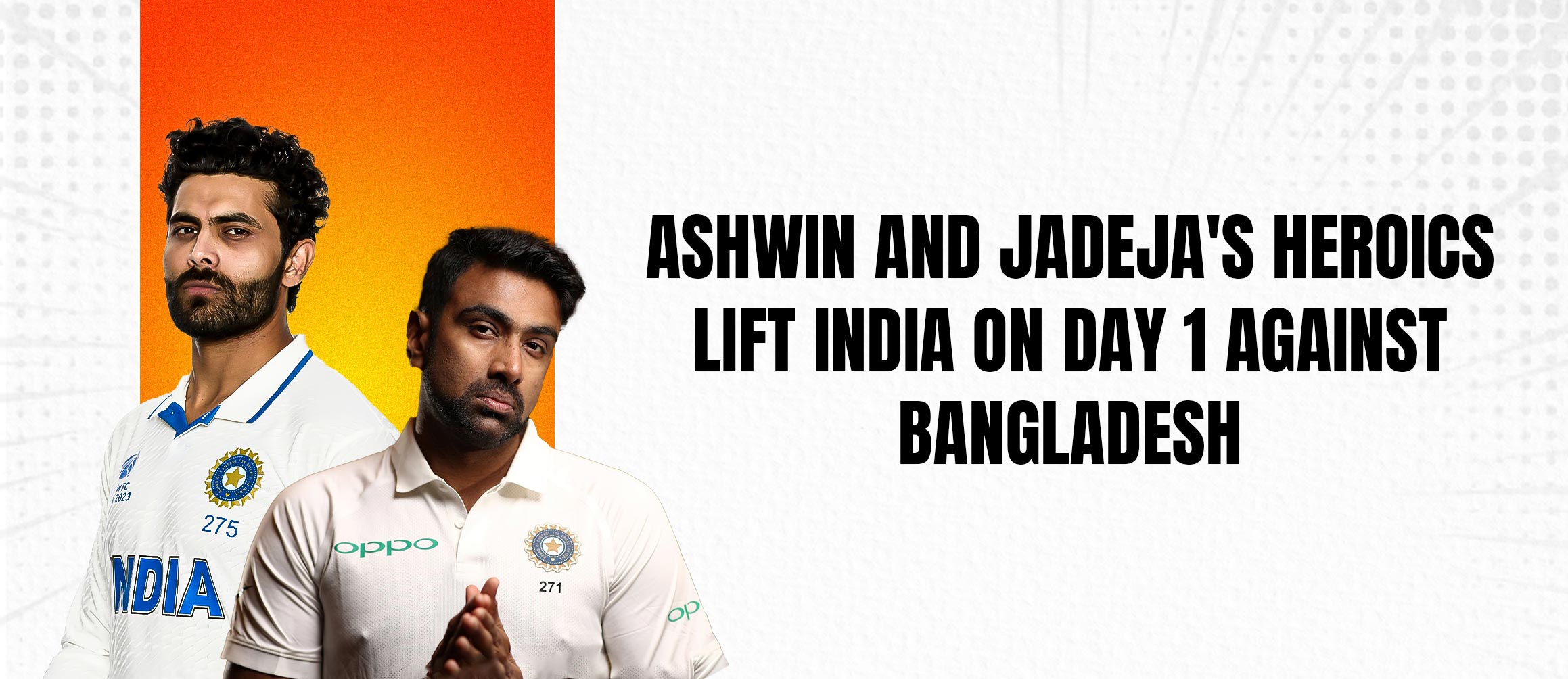
Ashwin and Jadeja’s Heroics Lift India on Day 1 Against Bangladesh
• 20 Sep, 24 • by Flash ExchangeIndia's all-rounders Ravichandran Ashwin and Ravindra Jadeja once again came to the team's rescue on the opening day of the first Test against Bangladesh
-
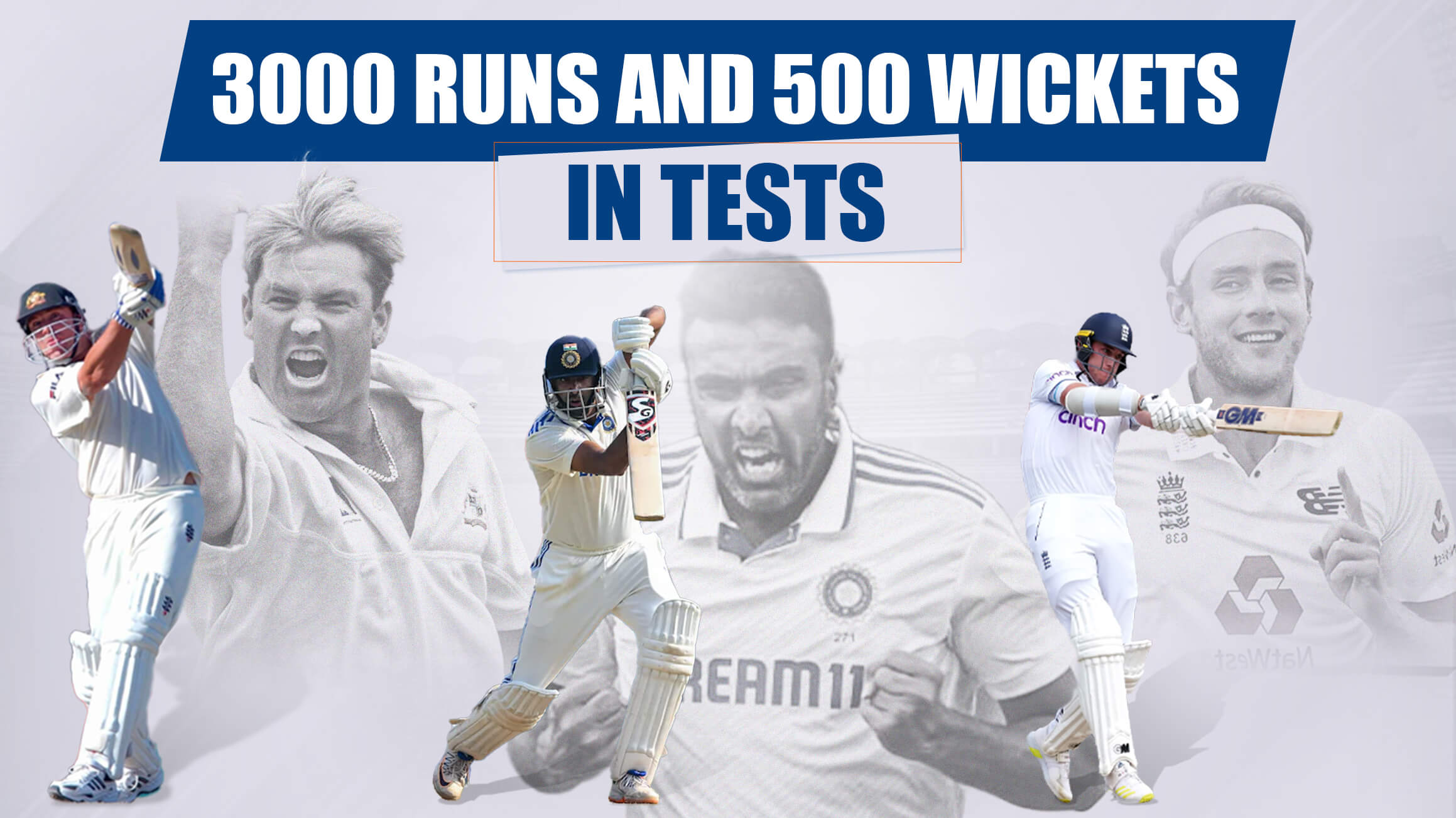
Ashwin joins Shane Warne, Stuart Broad in rare double in Tests
• 21 Feb, 24 • by Flash ExchangeRavichandran Ashwin, the off-spinner from India, has recently accomplished a remarkable feat in Test cricket, becoming only the third player in history to achieve both 3000 runs and 500 wickets. This milestone was reached during the third match
-
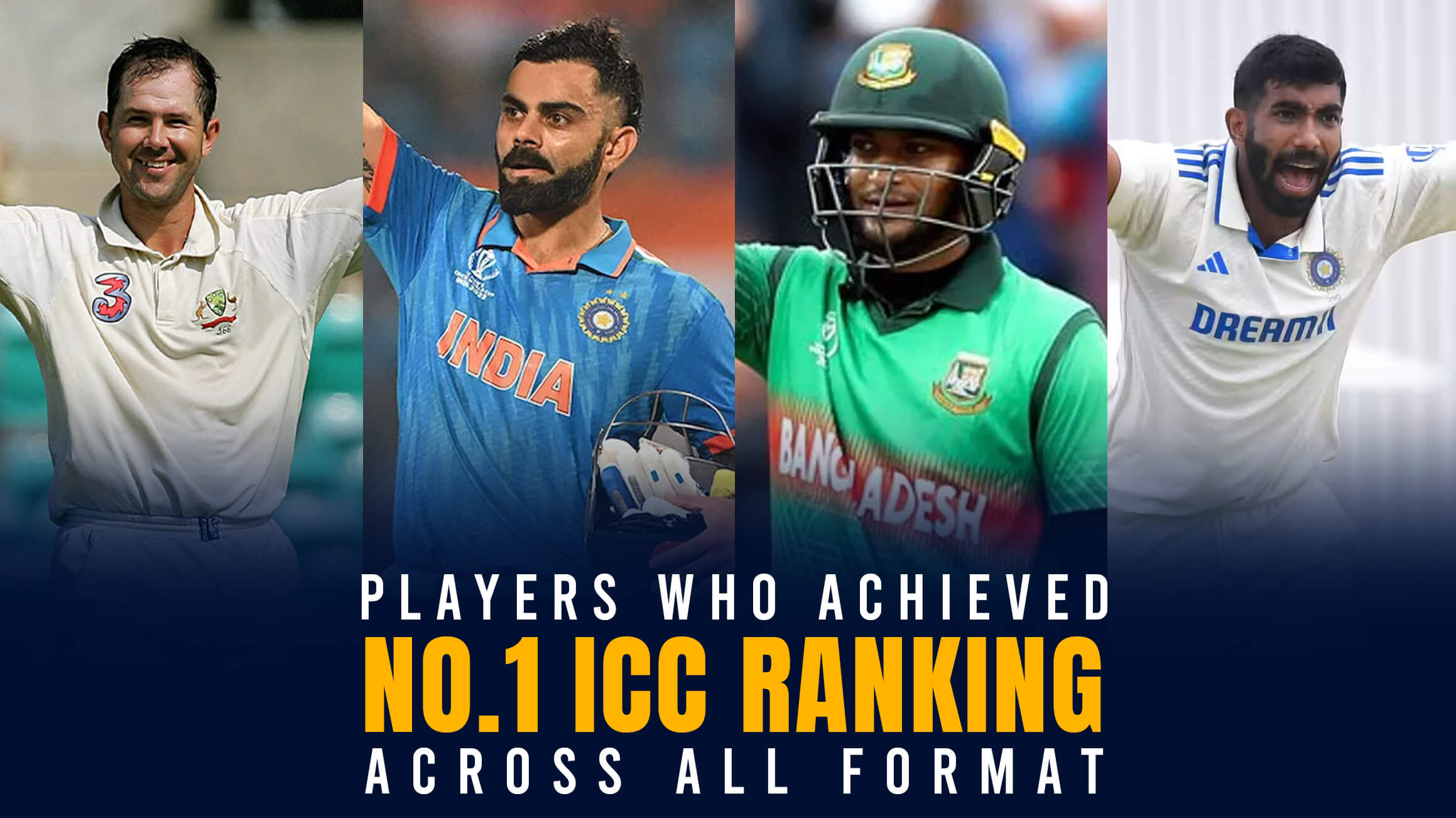
Players Who Achieved No.1 ICC Ranking Across All Forma
• 08 Feb, 24 • by Flash ExchangeThe competition in cricket is growing rapidly across the globe. It is one of those sports that brings some of the best performers from around the globe together. And ICC often gives them recognition by giving them rankings on their performances.