

ICC Champions Trophy Explained: Format and History
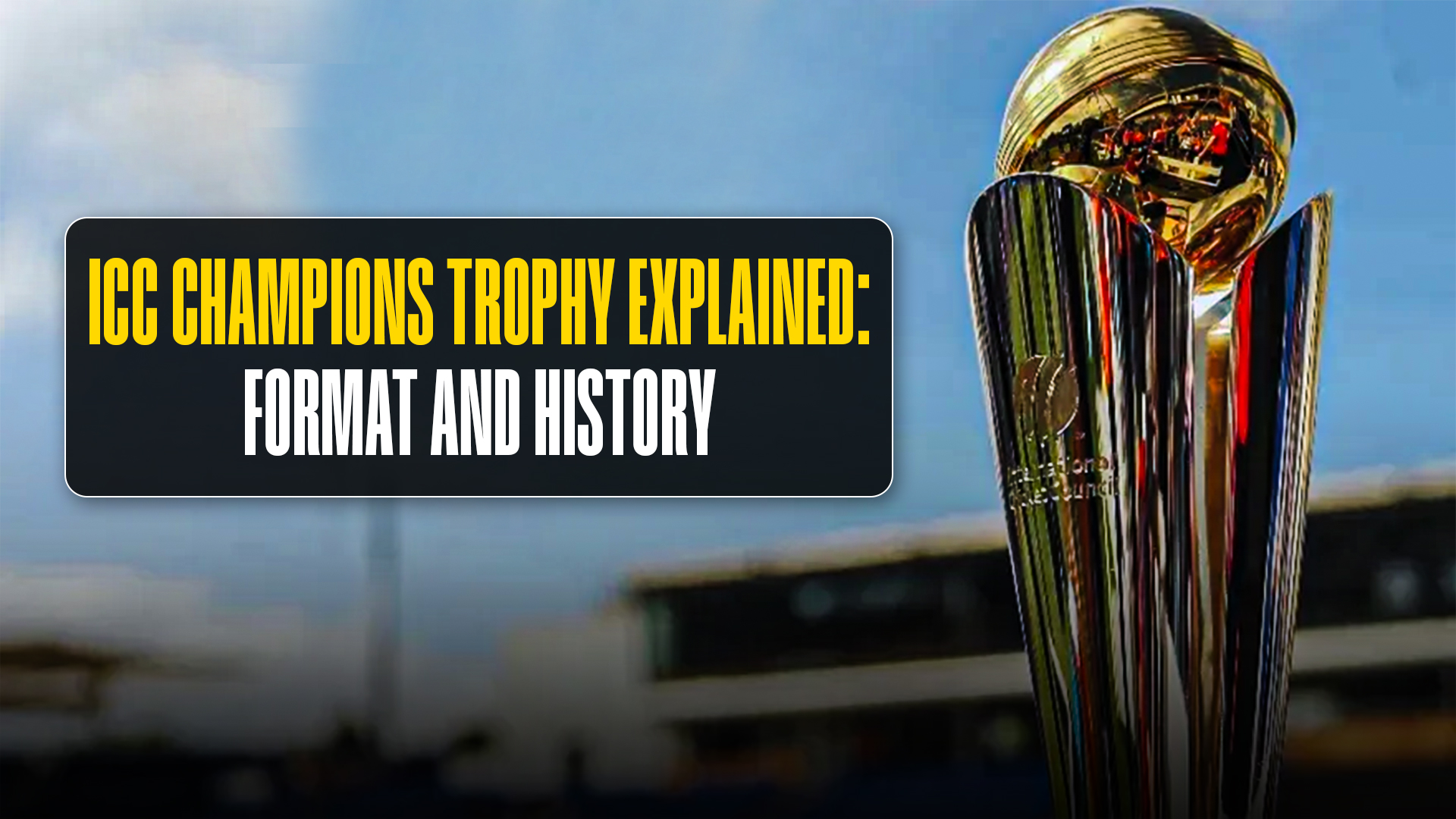
Cricket has no shortage of trophies, but few pack as much punch into as little time as the ICC Champions Trophy. ” it strips the 50-over game down to its most ruthless form: only the best teams, no easy games, and no room for a slow start. Blink at the wrong moment and you are on a flight home.
For a tournament that vanished for eight years and then roared back to life, its story is surprisingly dramatic. This is the ICC Champions Trophy explained, from how the format works to the full sweep of its history and every side that has lifted the cup.
What Is the ICC Champions Trophy?
At its core, the Champions Trophy is an elite one-day international tournament reserved for the very best sides in the world.
Unlike the ODI World Cup, which typically features a larger and more diverse field of teams, the Champions Trophy is deliberately exclusive. It features the eight teams that qualify through the ICC ODI rankings at the designated qualification cut-off date, which guarantees that almost every fixture is a heavyweight contest, with no minnows to pad out the schedule and no dead rubbers against weaker opposition.
This exclusivity is the tournament’s defining trait. It is short, sharp and brutal, a fortnight of high-quality cricket where every match matters, which is exactly why it earned its “mini World Cup” nickname and a devoted following.
ICC Champions Trophy Explained: How the Format Works
The genius of the Champions Trophy lies in its lean, unforgiving structure.
Groups and Knockouts
Since 2006, the tournament has generally followed the familiar eight-team, two-group format. The eight qualifying teams are split into two groups of four. Each side plays the other three in its group once, in a round-robin stage. The top two from each group then advance to the semi-finals, with the winners meeting in the final.
That is it. With only three group games to prove yourself, there is no margin for error. A single defeat can be fatal, which forces teams to attack from the very first ball rather than easing into the tournament.
Qualification and the Rankings Cut-Off
Entry is earned, not given. Qualification is primarily based on the ICC ODI rankings at a designated cut-off date, with the host nation receiving direct qualification where tournament regulations provide for it. This ranking-based entry is what keeps the field elite and the standard consistently high, and it has produced some agonising near-misses for teams who slipped just outside the top eight.
The tournament’s history is a fascinating tale of reinvention, from a fundraising experiment to a prestige event.
Humble Beginnings as the ICC KnockOut
The competition began in 1998 in Dhaka, Bangladesh, under the name the ICC KnockOut Trophy. The original idea was to raise funds to develop cricket in non-Test-playing nations. South Africa won that inaugural edition, beating the West Indies in the final, with Jacques Kallis named player of the tournament.
The event was renamed the ICC Champions Trophy in 2002 and settled into a regular calendar slot. That 2002 edition in Sri Lanka ended in unique fashion: the final was washed out twice by rain, and India and Sri Lanka were declared joint winners, a quirky outcome that showed just how much weather can shape one-day cricket.
The Golden Run and a Sudden Pause
Australia dominated the middle era, the only nation to win back-to-back titles in 2006 and 2009. Pakistan produced arguably the tournament’s most stunning result in 2017, thrashing arch-rivals India by 180 runs in the final at The Oval.
Then it disappeared. After the 2017 edition, the ICC removed the Champions Trophy from its calendar as part of a broader restructuring of its global events programme, giving greater prominence to the ODI World Cup while creating space for additional T20 World Cups. For eight years, cricket’s mini World Cup lay dormant, and many feared it was gone for good.
The Grand Revival: Champions Trophy 2025
After an eight-year absence, the Champions Trophy returned in 2025 with a bang. The ninth edition was officially hosted by Pakistan, the country’s first major multi-nation event in nearly three decades. Due to political tensions, the tournament used a hybrid model, with India playing all of its matches, including the final, at a neutral venue in Dubai. This drama and high-stakes setup drove unprecedented global engagement, with heavy trading activity across every major sport betting exchange as odds swung wildly during tightly contested group matches and knockouts.
The cricket delivered a fairytale. India swept through the tournament unbeaten and defeated New Zealand by four wickets in the Dubai final, with captain Rohit Sharma top-scoring with 76 to claim the Player of the Match award. The victory made India the most successful side in Champions Trophy history with a record three titles, having also won in 2002 and 2013. India is now set to host the next edition in 2029.
Weather has always been part of the tournament’s story, from the twice washed-out 2002 final to rain-shortened knockout games, which is why revised targets so often decide these tight contests. Those situations are governed by the mathematics of the DLS method, a system that has shaped more than one Champions Trophy result over the years.
The Complete Winners’ Roll of Honour
Across nine editions, seven different nations have tasted glory, a sign of how open the tournament has always been. India leads the way with three titles (2002 shared, 2013 and 2025). Australia follows with two, thanks to their back-to-back triumphs. South Africa, New Zealand, the West Indies, Sri Lanka (shared in 2002) and Pakistan have each claimed it once. That spread of champions underlines the Champions Trophy’s reputation as a genuinely unpredictable, anyone-can-win contest.
A Journey Through History: 1998 to 2025
| Year | Host | Winner | Runner-up |
|---|---|---|---|
| 1998 | Bangladesh | South Africa | West Indies |
| 2000 | Kenya | New Zealand | India |
| 2002 | Sri Lanka | India & Sri Lanka (Joint Winners) | — |
| 2004 | England | West Indies | England |
| 2006 | India | Australia | West Indies |
| 2009 | South Africa | Australia | New Zealand |
| 2013 | England & Wales | India | England |
| 2017 | England & Wales | Pakistan | India |
| 2025 | Pakistan | India | New Zealand |
Conclusion
The ICC Champions Trophy explained comes down to one simple idea: take the best teams in the world, remove every easy game, and let them fight it out over a breathless fortnight. From its modest origins as a fundraising KnockOut in 1998, through Australia’s dominance and Pakistan’s 2017 heroics, to its triumphant 2025 revival and India’s record third title, the tournament has earned its place as one of cricket’s most compelling events. It remains one of the ICC’s shortest global tournaments, but in intensity and prestige, the mini World Cup punches well above its weight, and with the next edition set for India in 2029, its finest chapters may still lie ahead.
Frequently Asked Questions (FAQs)
- What is the ICC Champions Trophy? It is an elite one-day international tournament featuring the eight teams that qualified through the ICC ODI rankings at the designated qualification cut-off date. Often called the “mini World Cup,” it delivers high-quality, competitive cricket over a short period.
- How is the Champions Trophy format structured? Eight teams are split into two groups of four. Each team plays the others in its group once, the top two from each group reach the semi-finals, and the semi-final winners contest the final.
- When was the first Champions Trophy held? The first edition took place in 1998 in Dhaka, Bangladesh, then known as the ICC KnockOut Trophy. South Africa won it, beating the West Indies in the final.
- Which team has won the most Champions Trophy titles? India is the most successful side with three titles, won in 2002 (shared with Sri Lanka), 2013 and 2025. Australia is second with two and is the only team to win back-to-back editions.
- Why did the Champions Trophy disappear after 2017? The ICC removed the tournament from its calendar as part of a wider restructuring of its global events programme, giving greater prominence to the ODI World Cup while creating room for additional T20 World Cups. It returned in 2025 after an eight-year absence.
- Who won the Champions Trophy 2025? India, beating New Zealand by four wickets in the Dubai final. India went unbeaten throughout, and Rohit Sharma was Player of the Match in the final.
-
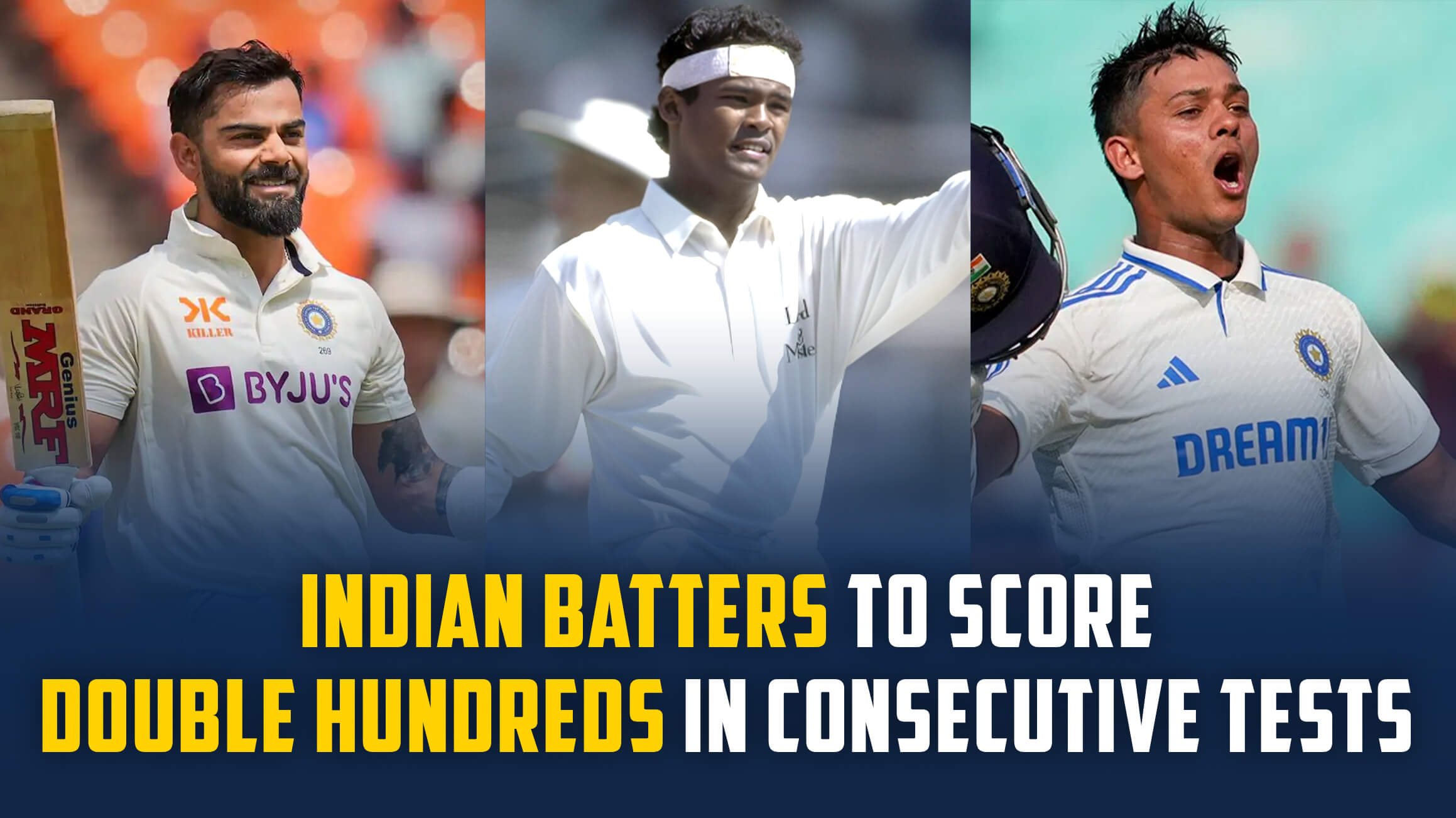
Indian batters to score double hundreds in consecutive Tests
• 20 Feb, 24 • by Flash ExchangeReaching a double century is a significant achievement for any batter In their careers as testers, only few players have accomplished this accomplishment. Only a few batters have, nonetheless, amassed double hundreds in back-to-back test matches.
-
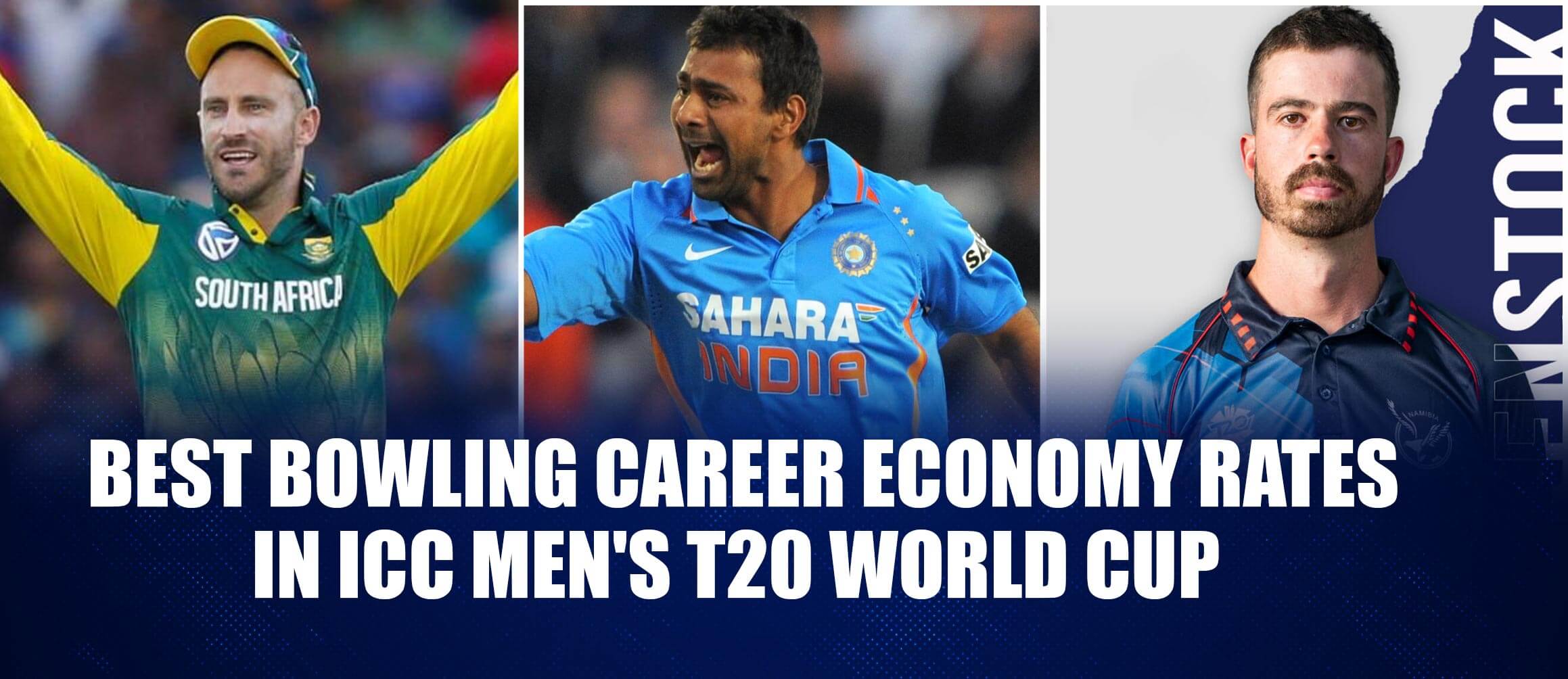
Best bowling career economy rates in ICC Men’s T20 World Cup
• 22 Apr, 24 • by Flash ExchangeIn cricket, especially the fast-paced T20 format, runs come thick and fast. So, bowlers who can restrict the flow of runs are like gold. But how do we measure how well a bowler does this? Here's where economy rate comes in. Economy rate tells you how many runs a bowler concedes on average per over. The lower the number, the better!
-

IPL 2024: Schedule for the First 15 Days announced!
• 23 Feb, 24 • by Flash ExchangeThe wait is finally over! The BCCI has unveiled the schedule for the first 15 days of the much-anticipated IPL 2024, sparking excitement amongst cricket fans across the globe. The 17th edition of the IPL promises to be a thrilling spectacle filled with action and nail-biting moments. The entire IPL 2024 will take place in India. Schedule for the First 15 Days.