


2011 Cricket World Cup Final: The Moments That Defined a Generation
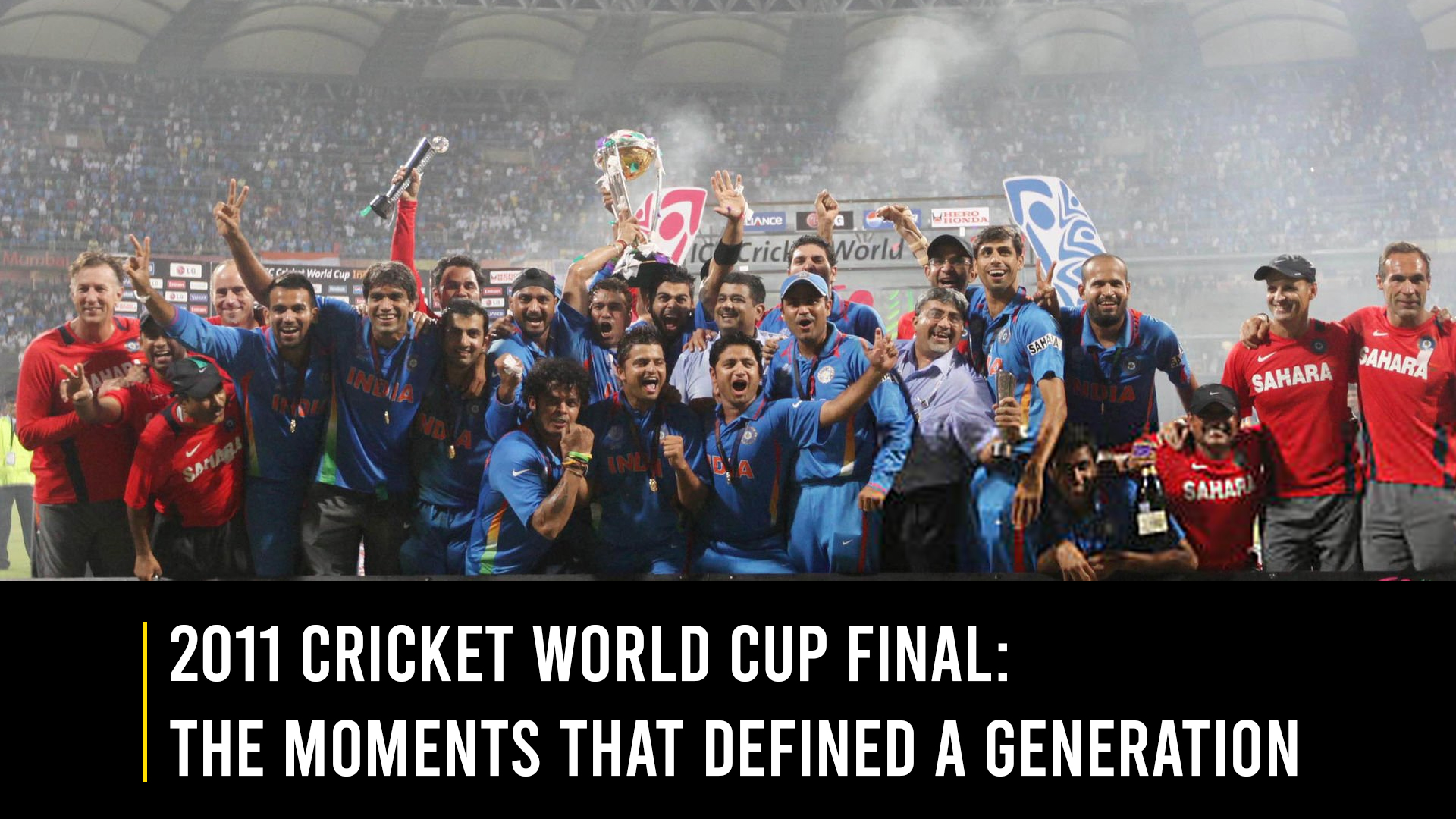
April 2, 2011. Wankhede Stadium, Mumbai. A billion people stopped breathing at the same time.
Some sporting nights simply end. Others get burned into memory so deeply that people remember exactly where they stood, who they hugged, and what they screamed. The 2011 Cricket World Cup final was the second kind. Fifteen years on, an entire generation still measures its cricketing life as “before that night” and “after that night.”
This is the story of the moments inside those six hours that changed Indian cricket forever.
The Weight of 28 Years
To understand why the 2011 Cricket World Cup final mattered so much, you have to understand what came before it.
India had lifted the trophy once, in 1983, in an upset nobody saw coming. But 28 years had passed since Kapil Dev held it aloft at Lord’s. In between came near misses, painful exits, and the crushing 2003 final in Johannesburg, where Australia dismantled India’s dream in a single afternoon.
Then came the venue. India had never won a World Cup final at home. In fact, no host nation had ever won a World Cup final on its own soil. India were not just chasing a trophy that night. They were chasing history that had never been written by anyone.
And in the middle of it all stood Sachin Tendulkar, playing his sixth and final World Cup, carrying the hopes of a country that had waited his entire career for this exact evening.
The Toss, the Wobble, and the Silence
The night did not begin like a coronation. It began like a nightmare.
A Toss That Needed Two Attempts
Even the coin refused to cooperate. Amid the roar of a packed Wankhede, referee Jeff Crowe could not hear Kumar Sangakkara’s call, forcing a rare second toss. Sri Lanka won it, chose to bat, and posted 274 for 6, powered by Mahela Jayawardene’s magnificent unbeaten 103. It was a total that felt just out of reach on a used pitch under lights.
31 for 2 and a Nation Holding Its Breath
Then came the moment that nearly broke the country. Virender Sehwag fell for a duck in the second over, trapped LBW by Lasith Malinga. The Wankhede, moments earlier a wall of noise, went eerily quiet.
Sachin followed for 18, edging Malinga behind. India were 31 for 2. The greatest batter of his generation had walked off, in his home city, in his last World Cup, with the chase in ruins. Grown adults across India were in tears before the tenth over.
Here is the moment nobody talks about enough: that silence was where the 2011 Cricket World Cup final was truly won. Because what followed was not panic. It was resolved.
The Rebuild: Gambhir, Kohli, and a Captain’s Gamble
What happened next was cricket of exceptional character.
Gautam Gambhir walked in and refused to blink. Alongside a 22-year-old Virat Kohli, he stitched together an 83-run partnership that dragged India back from the brink. Kohli’s 35 was not flashy, but it was the innings of a young man who would go on to define the next decade.
Even today, when analyzing the dramatic swing in win probabilities during that tense chase, sports analysts and fans on modern cricket exchange betting sites frequently highlight this exact partnership as the crucial pivot that swung the live market odds back in India’s favor.
The Decision That Rewrote the Script
Then MS Dhoni did something extraordinary. With Yuvraj Singh, the Player of the Tournament and the former batter of the entire World Cup, padded up and ready, Dhoni promoted himself up the order.
The logic was cold and brilliant. Muttiah Muralitharan was bowling, and Dhoni, a superior player of off-spin, backed himself over a left-hander who could be exposed to the turn. Captains are rarely brave enough to take pressure onto their own shoulders in a World Cup final. Dhoni did exactly that.
Gambhir’s 97 and the Cruellest Three Runs
Gambhir batted like a man possessed, marching to 97 before falling three runs short of a century that would have been immortal. He never got his hundred. He also never complained, because by then the job was almost done.
That innings remains one of the most underrated in Indian cricket history. Without Gambhir’s 97, there is no fairytale ending, no six, no Sachin on shoulders. He did the unglamorous work while the world waited for someone else to finish the job.
The Six That Stopped Time
Then came it. The moment.
India needed four runs. Nuwan Kulasekara ran in. Dhoni took a small step, swung through the line, and sent the ball soaring over long-on into the Mumbai night.
He did not run. He did not celebrate immediately. He simply held that iconic follow-through pose, bat raised, eyes tracking the ball, as if he already knew. Ravi Shastri’s commentary, “Dhoni finishes off in style, a magnificent strike into the crowd,” became the soundtrack of a generation.
India were champions. 91 not out from Dhoni. First host nation ever to win a World Cup final on home soil. It was India’s second title, and it slotted into a lineage of champions stretching back more than 3 decades, a story traced in full in this complete history of every ODI Cricket World Cup champion from 1975 to 2023.
Carried on the Shoulders of Giants
But the image that truly defined the night came minutes later. The young players hoisted Sachin Tendulkar onto their shoulders and carried him around the Wankhede.
Virat Kohli, then just a kid in the side, said the line that outlived the match itself: Tendulkar had carried the burden of the nation for 21 years, so it was time the team carried him. A generation of cricketers repaid a debt in public, and cricket has rarely produced a more moving sight.
Conclusion
The 2011 Cricket World Cup final defined a generation because it was never really about a trophy. It was about a country watching its greatest player finally receive what he had spent two decades chasing. It was about a captain absorbing unbearable pressure and answering it with a six. It was about Gambhir’s forgotten 97, Kohli’s arrival, and a young India that learned it could win from a hopeless position. Fifteen years later, the scoreboard is a footnote. What survives is the feeling, and the certainty that some nights genuinely do change everything.
Frequently Asked Questions (FAQs)
-
- When and where was the 2011 Cricket World Cup final played? It was played on April 2, 2011, at the Wankhede Stadium in Mumbai, between India and Sri Lanka.
- What was the final score of the 2011 World Cup final? Sri Lanka scored 274 for 6 in 50 overs. India chased it down with 277 for 4, winning by six wickets with 10 balls to spare.
- Who won the Man of the Match in the 2011 final? MS Dhoni won Man of the Match for his unbeaten 91. Yuvraj Singh was named Player of the Tournament for his all-round performances.
- Why is Dhoni’s six so famous? It sealed the World Cup with a boundary struck off Nuwan Kulasekara, and Dhoni’s motionless follow-through as the ball sailed into the crowd became one of cricket’s most iconic images.
- What made the 2011 World Cup win historically significant? India became the first team ever to win a World Cup final on home soil, and it ended a 28-year wait since their 1983 triumph.
- What was Sachin Tendulkar’s role in the 2011 final? He scored only 18 in the final, but it was his sixth and last World Cup. After the win, teammates carried him around the Wankhede on their shoulders, creating the tournament’s defining image.
-
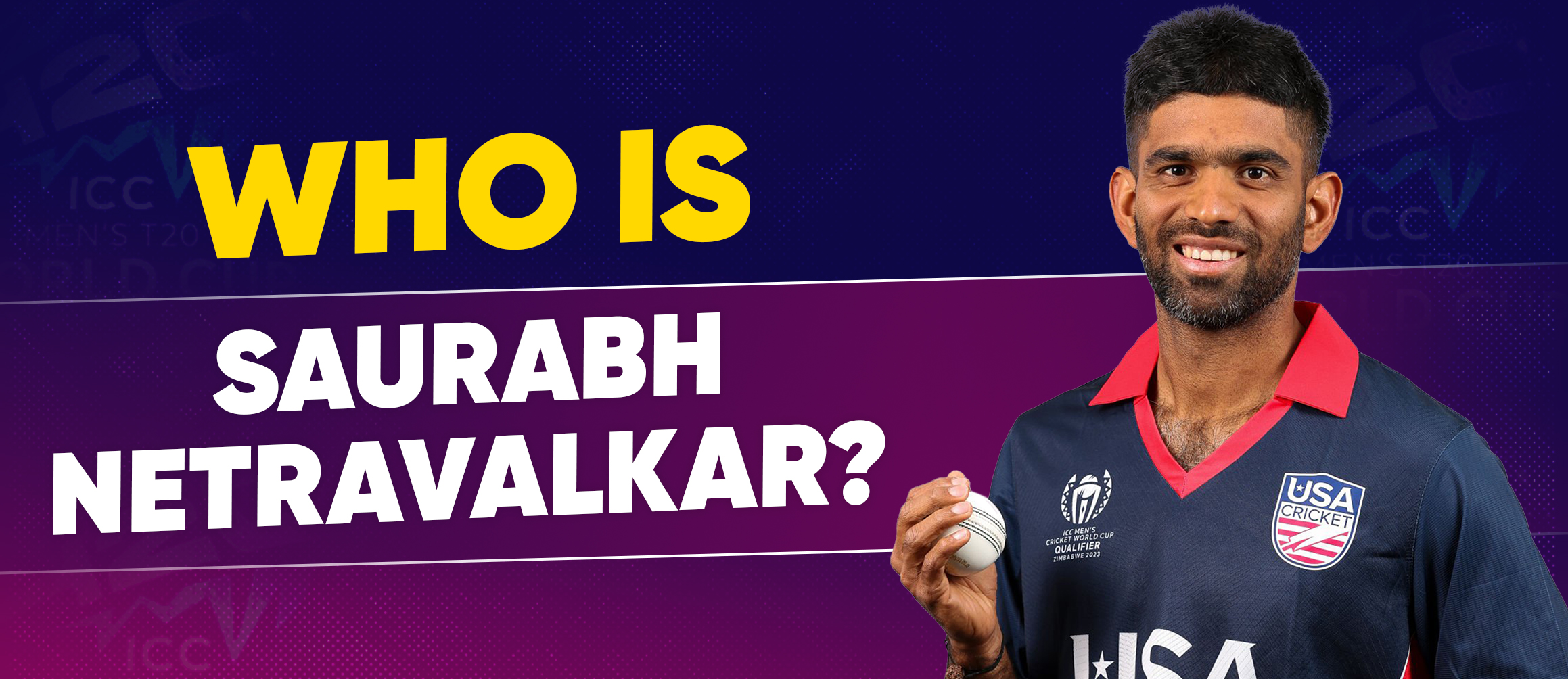
Who is Saurabh Netravalkar?
• 14 Jun, 24 • by InkspilledNetravalkar's journey began in Mumbai, where he honed his cricketing skills and even represented India in the Under-19 World Cup, emerging as the team's highest wicket-taker in 2010.
-

Portugal Celebrates Cristiano Ronaldo’s Legendary Legacy with Stunning CR7 Euros Coin
• 16 Sep, 24 • by InkspilledCristiano Ronaldo is more than just a footballer; he is a global icon whose name is synonymous with greatness. As one of the most decorated athletes
-
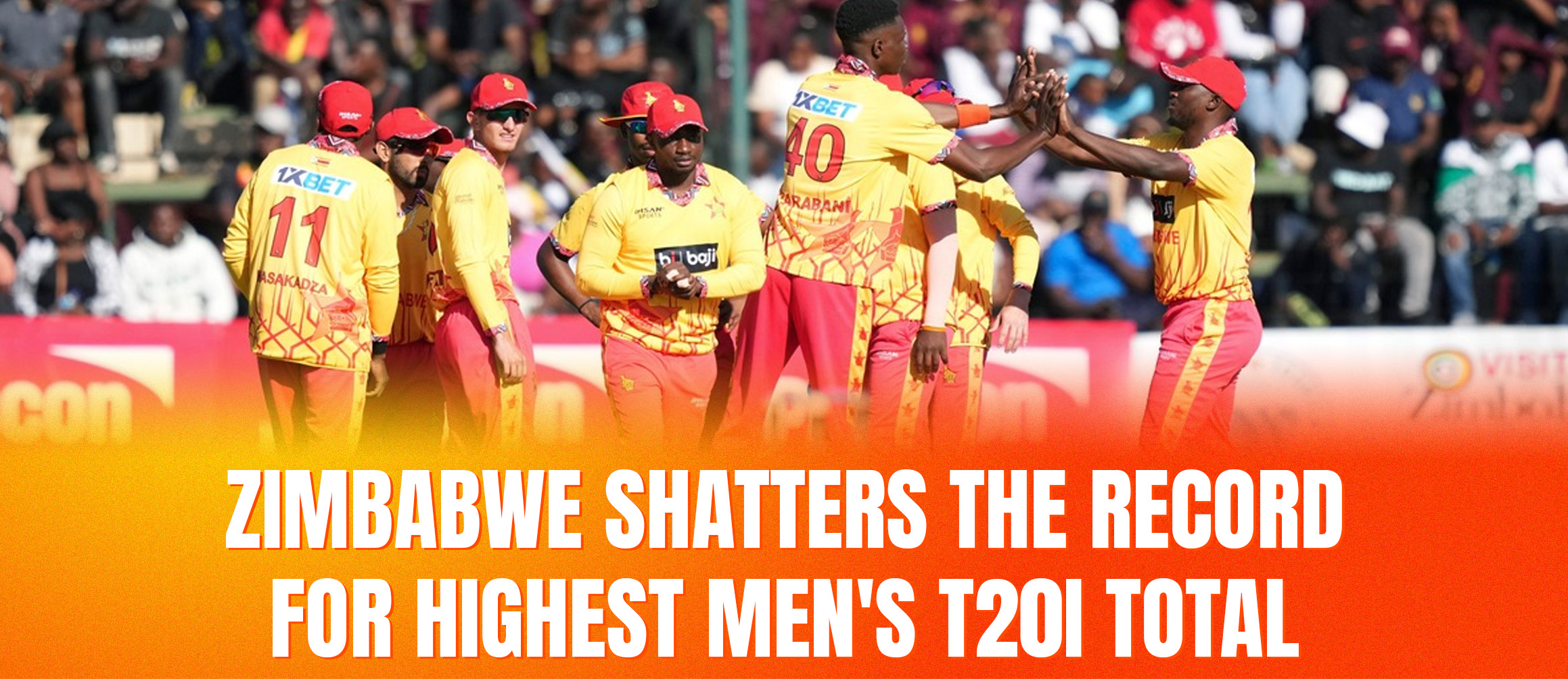
Zimbabwe Shatters the Record for Highest Men’s T20I Total
• 24 Oct, 24 • by InkspilledIn a match that will be etched into the annals of T20 cricket history, Zimbabwe absolutely obliterated the record for the highest total in a Men's T20I. In a match against Gambia