

ODI Cricket World Cup Winners List: Complete History of Every Champion (1975–2023)
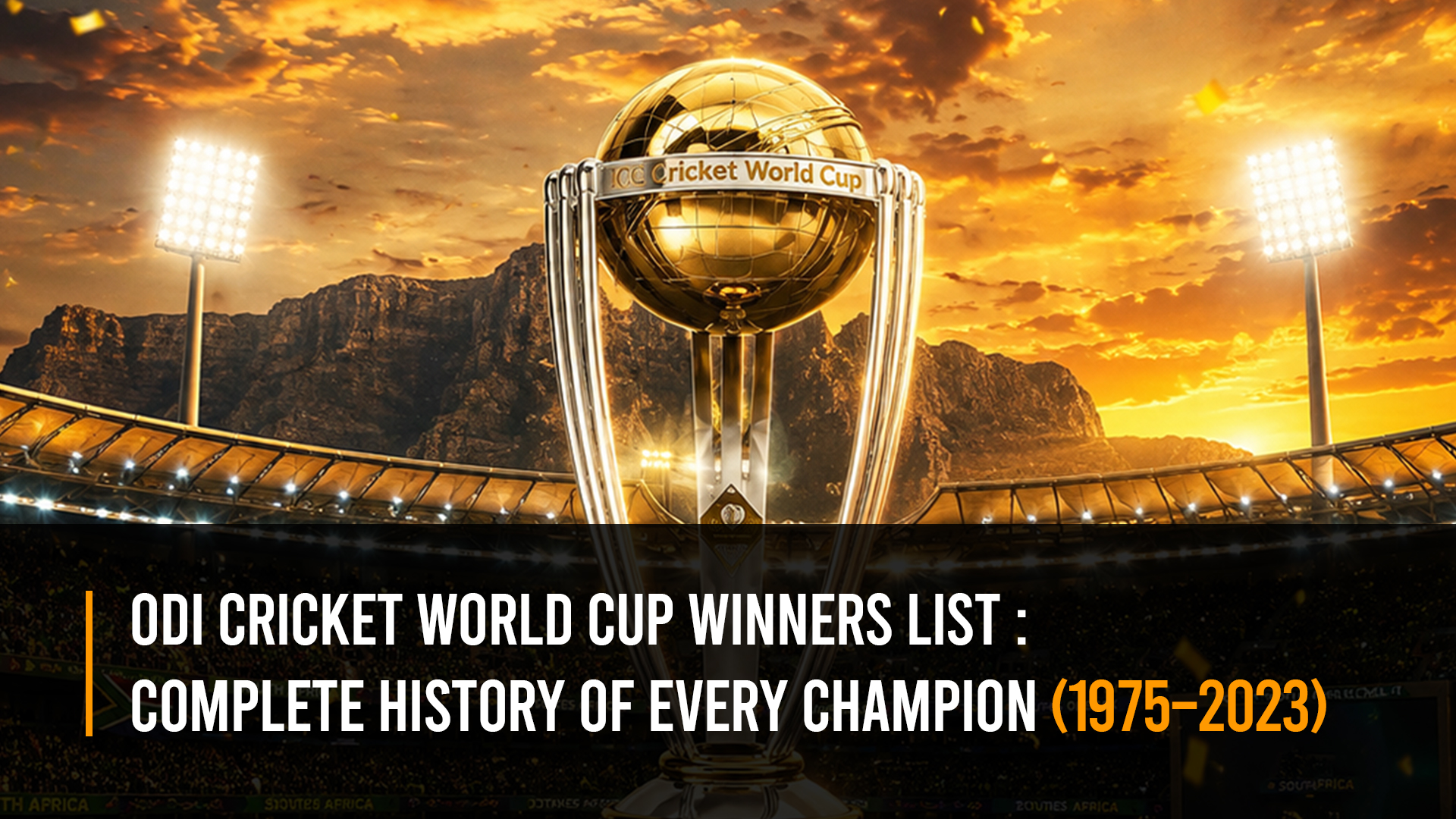
The Cricket World Cup has been played 13 times since 1975. Australia has won it the most, with six titles (1987, 1999, 2003, 2007, 2015, 2023), followed by India and West Indies with two titles each, and Pakistan, Sri Lanka, and England with one title apiece. The next edition will be held in South Africa, Zimbabwe, and Namibia in 2027.
From eight teams in white kits in 1975 to a billion-viewer spectacle today, here’s the complete, fact-checked list of every Cricket World Cup champion.
Complete List of ODI Cricket World Cup Champions (1975–2023)
1. 1975 — West Indies (Host: England)
The inaugural Cricket World Cup, officially the Prudential Cup, was played in England with 60-over matches in traditional white clothing and a red ball. Clive Lloyd’s West Indies beat Australia in the final at Lord’s, with Lloyd himself scoring a century to seal the first title in tournament history.
2. 1979 — West Indies (Host: England)
West Indies retained the trophy in the second edition, again hosted in England. Powered by Viv Richards’ batting and a fearsome pace attack, they beat England in the final, becoming the tournament’s first back-to-back champions.
3. 1983 — India (Host: England)
The most famous upset in World Cup history. India, given almost no chance, defended a modest total of 183 to beat the mighty West Indies in the final at Lord’s. Kapil Dev lifting the trophy remains one of cricket’s most iconic images, and the win is widely credited with shifting cricket’s financial and fan base toward the Indian subcontinent.
4. 1987 — Australia (Host: India and Pakistan)
The first World Cup held outside England also introduced the 50-over format that the tournament still uses today. Australia beat England by just 7 runs in Kolkata, winning their first title in the closest final of that era.
5. 1992 — Pakistan (Host: Australia and New Zealand)
A tournament that changed cricket’s visual identity forever: coloured clothing, white balls, black sightscreens, and day-night matches under floodlights all debuted here. Imran Khan’s “cornered tigers” led Pakistan to their first title, while Martin Crowe’s tactical use of pinch-hitters reshaped one-day batting strategy.
6. 1996 — Sri Lanka (Host: India, Pakistan, and Sri Lanka)
Sri Lanka, previously considered underdogs, rewrote batting logic by sending Sanath Jayasuriya and Romesh Kaluwitharana out to attack bowlers aggressively in the first 15 overs. The approach won them the tournament and made powerplay hitting a permanent fixture of one-day cricket.
7. 1999 — Australia (Host: England)
The start of Australia’s era of dominance. Steve Waugh’s side won their second title, built on disciplined bowling and clutch batting performances in the knockout stages.
8. 2003 — Australia (Host: South Africa)
Ricky Ponting’s Australia went unbeaten through the entire tournament, finishing 11-0. Ponting smashed an unbeaten 140 in the final against India, and Sachin Tendulkar’s 673 runs in the tournament set a record for most runs scored in a single World Cup that still stands today.
9. 2007 — Australia (Host: West Indies)
Australia claimed their third consecutive title, an achievement unmatched before or since. The tournament also expanded to 16 teams, producing shocks like Ireland eliminating Pakistan and Bangladesh knocking out India in the group stage.
10. 2011 — India (Host: India, Sri Lanka, and Bangladesh)
MS Dhoni’s India became the first team ever to win a World Cup final on home soil, beating Sri Lanka. Dhoni’s six over long-on to seal the match, and Sachin Tendulkar finally lifting the trophy in his sixth and final World Cup, made this one of the most emotional finishes in tournament history.
11. 2015 — Australia (Host: Australia and New Zealand)
Power hitting took over, with batters like Brendon McCullum and AB de Villiers redefining scoring rates. Australia beat New Zealand in the final to claim a fifth title, extending their record as the most successful team in World Cup history.
12. 2019 — England (Host: England and Wales)
Widely regarded as the greatest final ever played. England and New Zealand finished tied after 50 overs, then tied again after a Super Over. England were declared champions on the boundary-count rule, a tiebreaker so controversial that the ICC scrapped it soon after. Ben Stokes’ all-round performance sparked a surge of cricket interest across England.
13. 2023 — Australia (Host: India)
The most-watched World Cup ever, with more than a billion viewers and over 1.25 million fans attending matches in person. India won ten straight matches before Australia produced a clinical performance in the final at Ahmedabad, beating the hosts in front of a stunned crowd of more than 92,000 to claim a record sixth title.
Cricket World Cup Winners by Country
- Australia — 6 titles (1987, 1999, 2003, 2007, 2015, 2023)
- West Indies — 2 titles (1975, 1979)
- India — 2 titles (1983, 2011)
- Pakistan — 1 title (1992)
- Sri Lanka — 1 title (1996)
- England — 1 title (2019)
How the Tournament Evolved Over Five Decades
The Humble Beginning (1975–1983)
The earliest editions were played in all-white kits with a red ball, 60 overs a side, entirely in England. India’s shock win in 1983 proved the World Cup was not a private contest between two or three powerful teams, and it convinced broadcasters that cricket’s future audience lived in Asia.
The Revolution Years (1987–1996)
This period introduced the 50-over format, coloured clothing, white balls, and floodlit day-night matches. Satellite television reached Asian households during these years, sponsorship money multiplied, and the World Cup shifted from a sporting event into a commercial powerhouse — a foundation that later helped fuel the growth of T20 leagues like the IPL.
The Era of Dominance (1999–2011)
Australia won three consecutive titles between 1999 and 2007, a run of success unmatched in the tournament’s history. This era also introduced the Decision Review System, Hawk-Eye, and Snickometer, replacing decisions based purely on the naked eye with technology-assisted umpiring.
The Modern Spectacle (2015–Present)
Explosive power hitting, tied Super Over finals, and record-breaking global viewership define the current era. Cricket’s growing global reach has also fed into broader fan engagement, from fantasy contests to every major Cricket betting exchange tracking odds during marquee knockout games. The 2027 World Cup will be co-hosted by South Africa, Zimbabwe, and Namibia from October 4 to November 21, 2027, returning to a 14-team format (two groups of seven) for the first time since 2011, with Namibia hosting World Cup matches for the first time.
Conclusion
From eight teams in white flannels playing 60-over matches in English summer light, to billion-viewer spectacles decided by Super Overs under floodlights, the Cricket World Cup has lived several lifetimes in five decades. Every edition added something new: 1983 gave belief, 1992 gave colour, 1996 gave aggression, 2011 gave emotion, and 2019 gave chaos of the most dramatic kind. The trophy changes hands and the formats keep evolving, but the feeling of a team walking out in a World Cup final connects a fan in 1975 to a fan in 2023 — and will connect us to fans in 2027 and beyond.
Frequently Asked Questions
When was the first Cricket World Cup held, and who won it? The first Cricket World Cup was held in England in June 1975. West Indies, captained by Clive Lloyd, beat Australia in the final at Lord’s to become the first champions.
Which team has won the most Cricket World Cups? Australia has won the most titles, with six championships in 1987, 1999, 2003, 2007, 2015, and 2023. Their three consecutive wins from 1999 to 2007 remain unmatched.
When did the World Cup switch from 60 overs to 50 overs per side? The change happened in 1987, when India and Pakistan co-hosted the tournament. Shorter daylight hours in the subcontinent made 50 overs per side the practical choice, and the format has remained ever since.
When were coloured clothing and white balls first used in the World Cup? The 1992 World Cup in Australia and New Zealand introduced coloured kits, white balls, and day-night matches, giving the tournament its modern look.
What made the 2019 World Cup final so special? England and New Zealand tied both the match and the Super Over. England were declared champions on the boundary-count rule, making it the most dramatic final in the tournament’s history. That rule was scrapped soon after.
Where will the next Cricket World Cup be played? The 2027 edition will be co-hosted by South Africa, Zimbabwe, and Namibia, running from October 4 to November 21, 2027, with an expanded 14-team format and Namibia hosting World Cup matches for the first time.
-
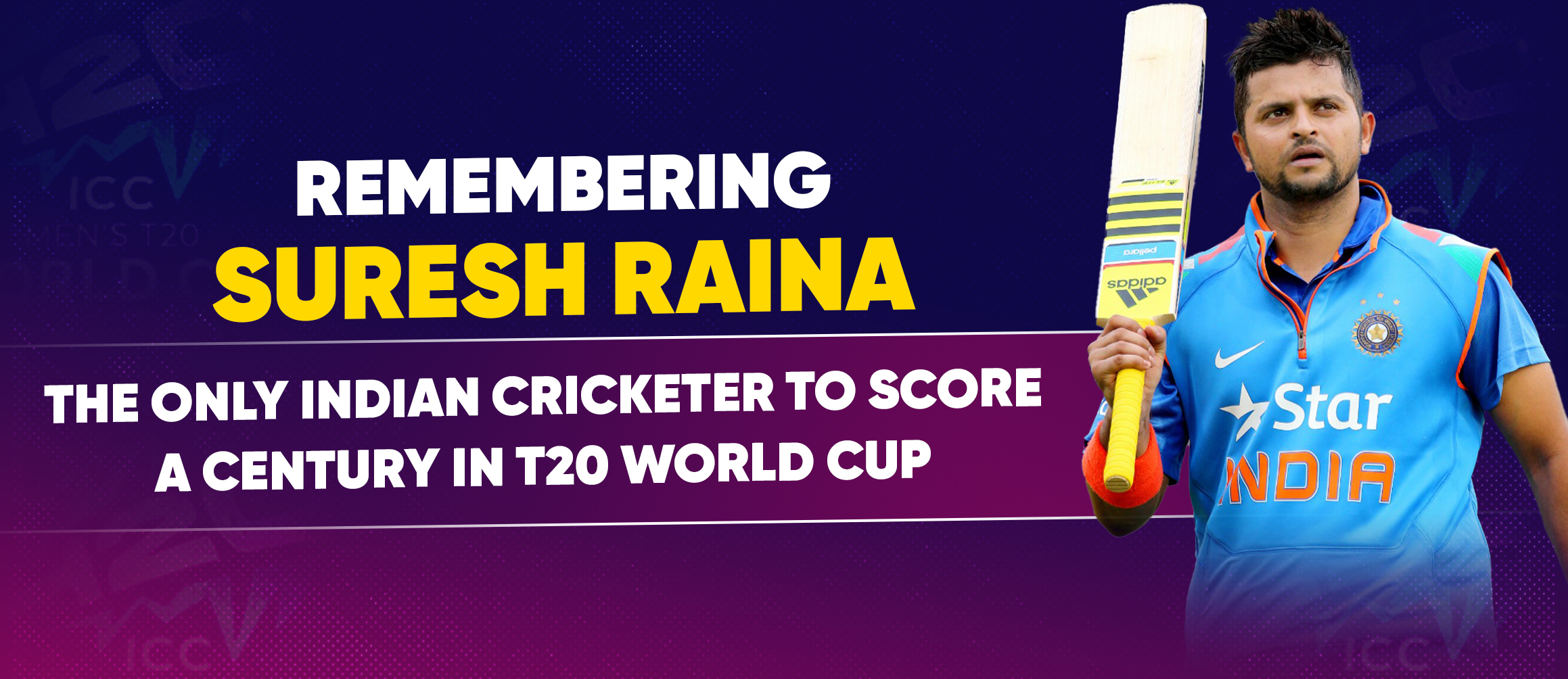
Remembering Suresh Raina – The Only Indian Cricketer to Score a Century in T20 World Cup
• 05 Jun, 24 • by Flash ExchangeRaina is the only Indian cricketer to score a century in the T20 World Cup, against South Africa back in 2010.
-
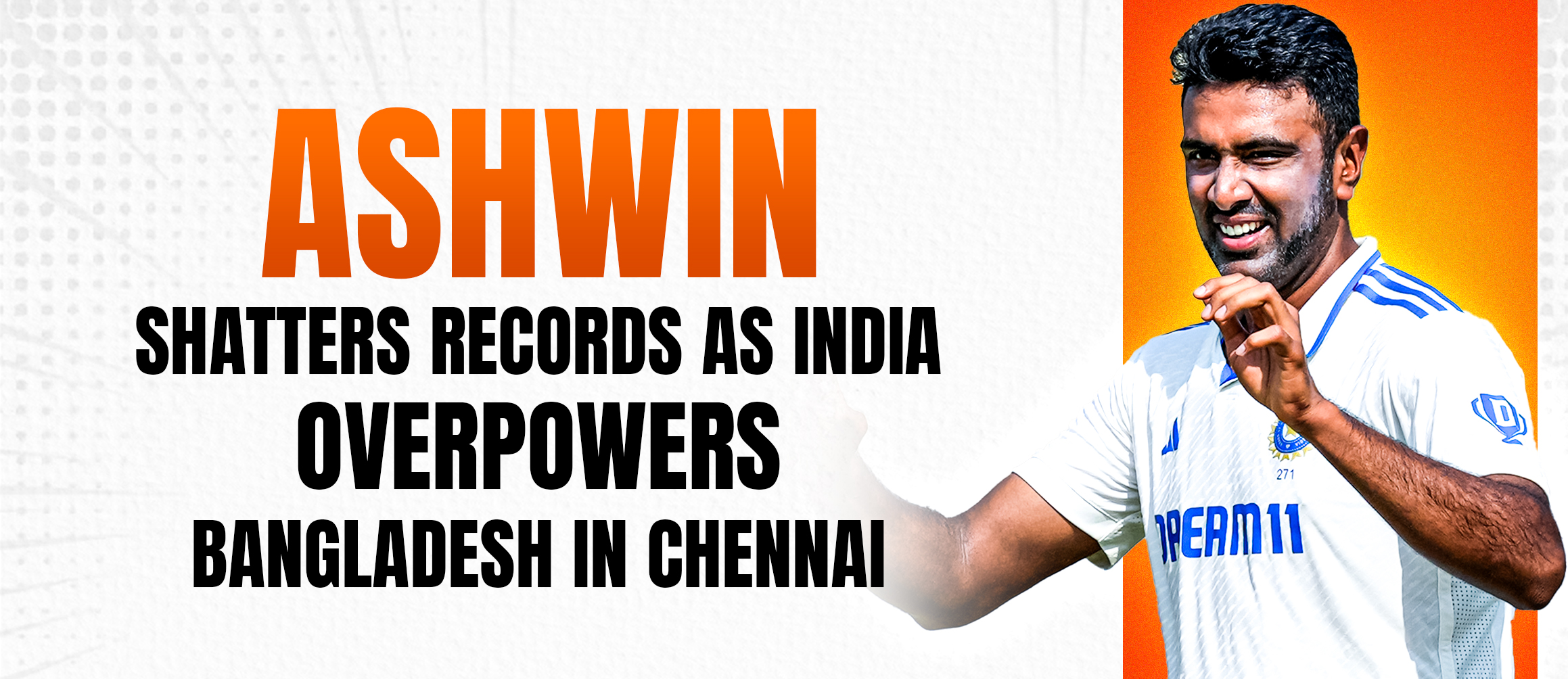
Ashwin shatters records as India overpowers Bangladesh in Chennai
• 23 Sep, 24 • by Flash ExchangeRavichandran Ashwin, the off-spinning maestro, delivered a performance that will be etched into the annals of Test cricket history. In his home city, Chennai,
-
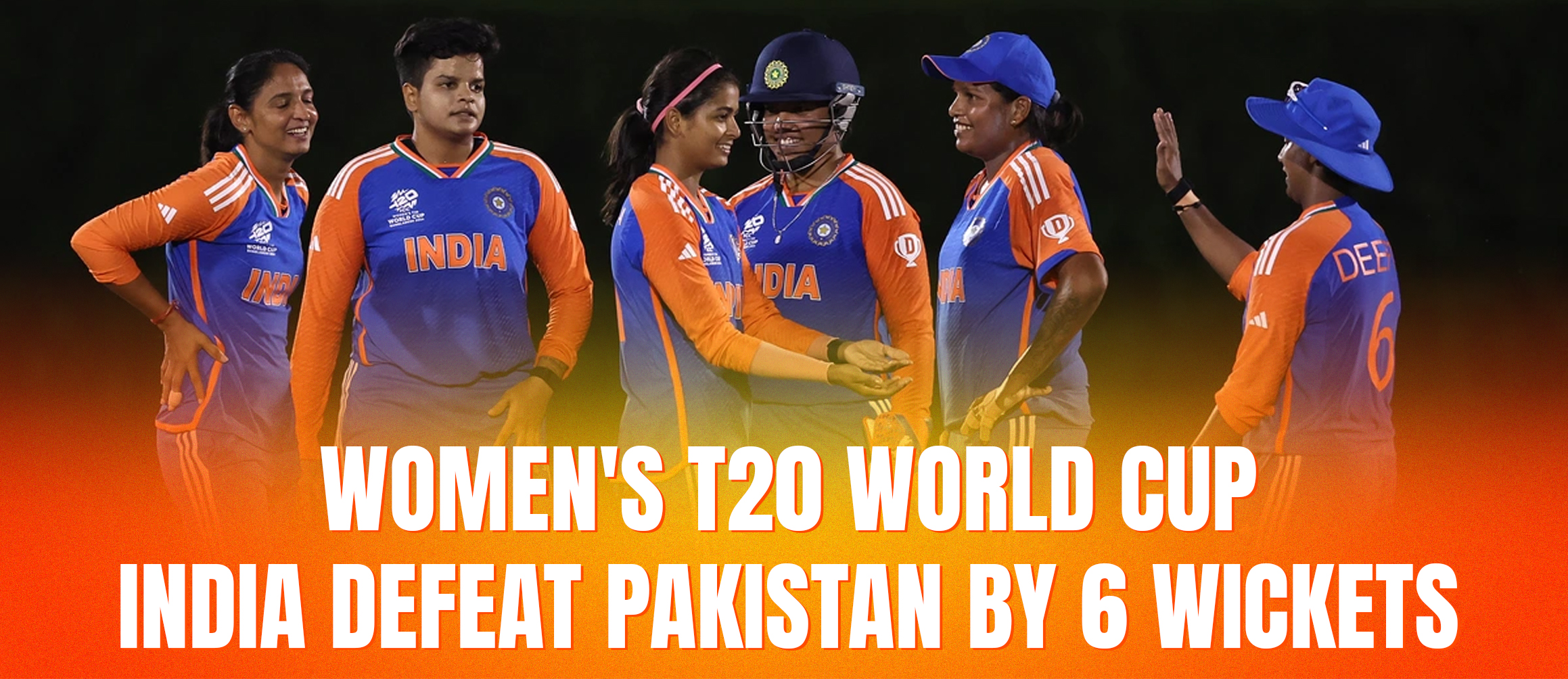
Women’s T20 World Cup: India defeat Pakistan by 6 wickets
• 07 Oct, 24 • by Flash ExchangeIndia registered a significant victory over Pakistan in their Women's T20 World Cup 2024 clash, on Sunday. This much-needed win came after a disappointing start to their campaign