

Women’s T20 World Cup 2026 Ends With Australia Once Again on Top
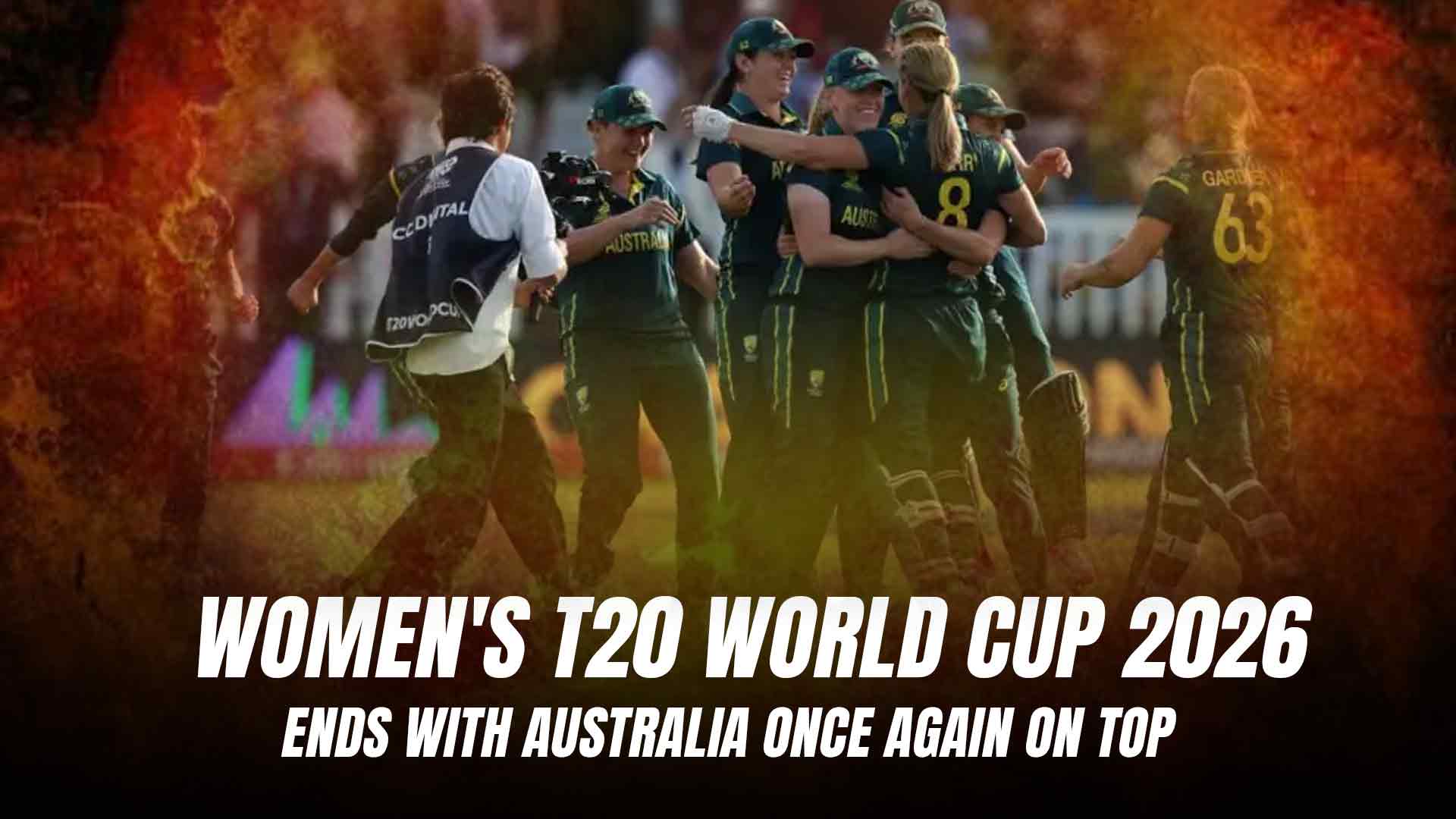
The Women’s T20 World Cup 2026 wrapped up on July 5 at Lord’s, where Australia chased down England’s total of 150 for 4 to win by seven wickets and lift a record-extending seventh title. Beth Mooney’s 64 off 49 balls anchored the run chase, and the result means Australia has now beaten England in every final the two sides have contested at this tournament, going back to 2012.
For a sport that has spent the last decade fighting for attention, the numbers behind this final tell their own story.
A Tournament That Outgrew Its Own Expectations
Cricket administrators have been talking about growth in the women’s game for years, but this edition backed up the talk with figures. The group stage alone crossed 125,000 in total attendance, making it the best-attended Women’s T20 World Cup on record. England’s opening match against Sri Lanka pulled an average broadcast audience of 393,000 viewers on Sky Sports, peaking at 510,000 at one point.
Across the tournament’s opening weekend, Sky Sports logged 3.3 million viewer hours, the highest of any Women’s T20 tournament the broadcaster has carried. Those aren’t rounding errors. They represent a real shift in who is watching and when.
What Made the Women’s T20 World Cup 2026 Final So Significant?
Finals tend to get remembered for a moment rather than a scoreline, and this one had both. England posted 150 for 4, a competitive total on a Lord’s pitch that had offered some help to bowlers throughout the tournament. Australia’s reply looked shaky early, but Mooney and Georgia Voll built a partnership that took the game away from England well before the back end of the innings.
Australia finished at 153 for 3 with 17 balls unused, the highest successful chase in the history of Women’s T20 World Cup finals. Mooney’s innings was her third straight half-century in a T20 World Cup final, a run of form that few players in the men’s or women’s game have matched under that kind of pressure.
There’s also a quieter storyline here. England had home advantage, a raucous Lord’s crowd, and a semifinal win over South Africa that suggested real momentum. None of it mattered once Australia’s middle order settled in. That gap between conditions favoring one team and the result favoring another is often what separates a good side from a great one.
How This Final Stacks Up Against Previous Meetings
Australia and England have now met four times in a Women’s T20 World Cup final, and Australia has won every single one. Here’s how those finals compare.
| Year | Venue | Result | Margin |
|---|---|---|---|
| 2012 | Colomb | Australia Won | 4 Runs |
| 2014 | Dhaka | Australia Won | 6 Wicket |
| 2018 | Antigua | Australia Won | 8 Wickets |
| 2026 | Lord’s | Australia Won | 7 Wickets |
The pattern is hard to ignore. England has reached the final stage against Australia four times and lost each one, and three of those four wins came by a wicket margin rather than a narrow runs total, which points to Australia’s depth in batting as much as its bowling attack.
This edition drew bigger crowds and bigger broadcast numbers than any of the previous three combined, which says as much about how far the women’s game has traveled as the scoreline does.
The Challenges Still Facing Women’s Cricket
Growth doesn’t erase every problem. Domestic structures in several cricket-playing nations still lag well behind England’s and Australia’s, and that gap shows up on the field. Only a handful of teams look genuinely capable of winning a global title right now, which limits the unpredictability that makes tournaments compelling.
Pay disparities between men’s and women’s contracts remain wide in most boards, even ones that publicly champion the women’s game. Broadcast reach also varies enormously by country. A record audience on Sky Sports in the UK doesn’t mean the same access exists in South Asia, parts of Africa, or the Caribbean, where cricket boards have smaller production budgets and fewer broadcast partners willing to commit airtime.
None of this takes away from what just happened at Lord’s. It just means the sport’s growth is uneven, and the next real test is whether smaller cricket nations can close the gap before the next cycle begins.
Practical Ways to Stay Engaged Now the Tournament Is Over
For fans who want to keep following the sport rather than waiting three or four years for the next global event, a few habits help. Domestic leagues like the Women’s Premier League and The Hundred run on shorter windows and are worth tracking directly after a World Cup, since several players from this final will feature in them. Following individual player stats rather than just team results also helps build a fuller picture of form heading into future series.
Many fans use an online cricket exchange to follow live scores, player statistics, and match data in one place, which makes it easier to track how form built during this World Cup carries into domestic and bilateral cricket. If you’re new to following women’s cricket closely, start with head-to-head archives between major teams, since context from past meetings, like Australia’s perfect final record against England, often explains present-day results better than a single match report can.
T20 World Cup final highlights from this and previous editions are also a useful way to compare how different Australian sides have won finals under pressure, whether through steady chases or explosive batting.
Final Thoughts
What happened at Lord’s wasn’t just another final. It was a tournament that drew more people to grounds and screens than any women’s cricket event before it, closing with a result that extended one of the sport’s most one-sided rivalries. Australia’s dominance in finals raises a real question for the rest of the cricketing world: closing that gap will take more than good performances at a single World Cup. It will take sustained investment in domestic structures long before the next tournament begins.
Frequently Asked Questions
Who won the Women’s T20 World Cup 2026?
Australia won, beating England by seven wickets in the final at Lord’s on July 5. It was Australia’s seventh T20 World Cup title and their 14th women’s World Cup trophy overall, extending their unbeaten record against England in finals to four wins from four meetings.
Who was the standout player in the final?
Beth Mooney, who scored 64 off 49 balls to anchor Australia’s chase. It marked her third consecutive half-century in a T20 World Cup final, a level of consistency under pressure that stands out even among established international batters.
How big was this tournament compared to past editions?
It set new records for attendance and viewership. Group stage attendance passed 125,000, the highest ever for the event, and Sky Sports logged 3.3 million viewer hours in the opening weekend alone, making it the most-watched Women’s T20 tournament on the network.
Has England ever beaten Australia in a T20 World Cup final?
No. This was the fourth final meeting between the two sides, following 2012, 2014, and 2018, and Australia has won every single one, though the margins have varied from a narrow 4 runs to comfortable wicket wins.
What happens next for the teams involved?
Players will return to domestic competitions such as the Women’s Premier League and The Hundred in the coming months, while national boards begin preparing for upcoming bilateral series. These shorter formats are often where selectors identify emerging talent for the next World Cup cycle.
-
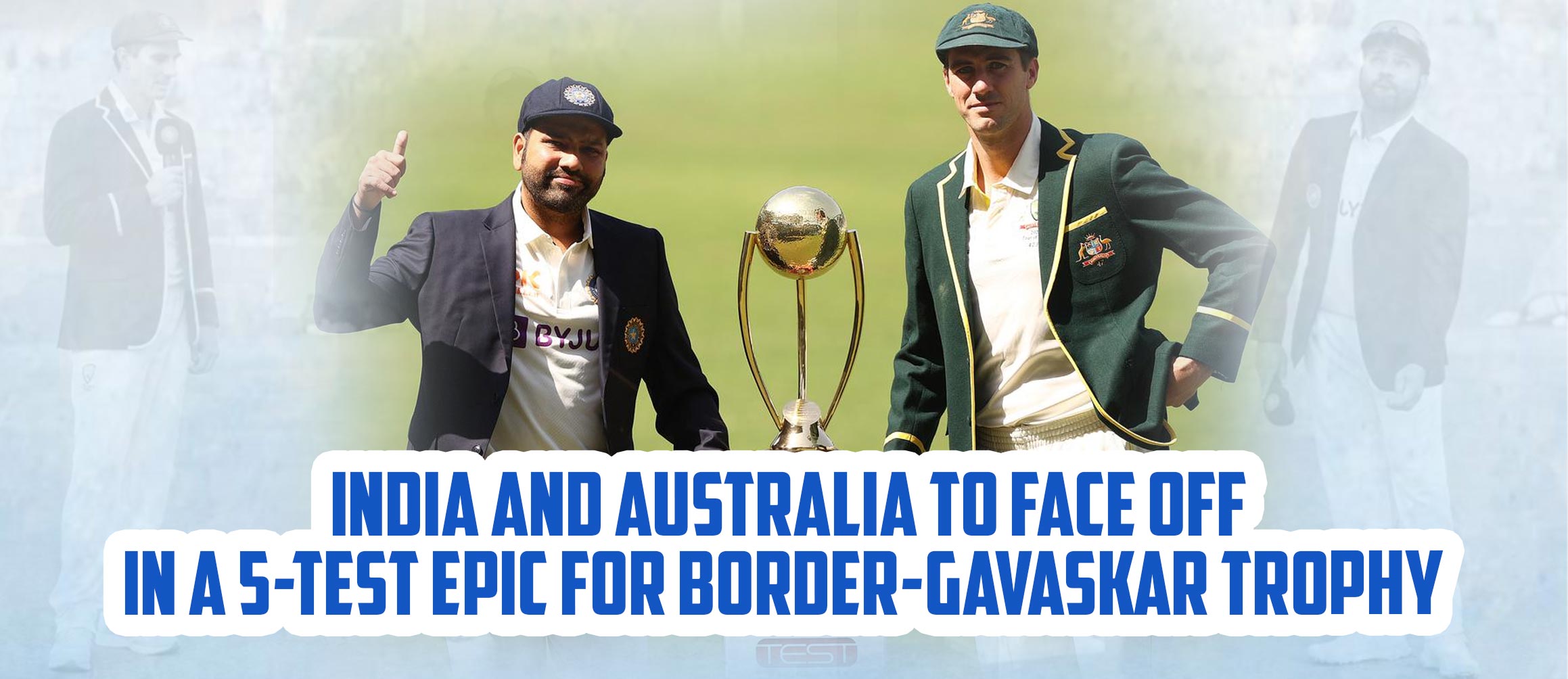
India and Australia to Face Off in a 5-Test Epic for Border-Gavaskar Trophy
• 28 Mar, 24 • by Flash ExchangeGet ready for cricket fever! The much-anticipated Border-Gavaskar Trophy between India and Australia is heating up. Cricket Australia (CA) and BCCI, on Monday, March 25, announced that the competition will be five Tests long, the first time this has happened since 1991-92! For the first time since 1991-92, Australia and India will compete across a five-Test series this summer.
-

All You Need to Know About IPL 2025 Mega Auction
• 10 Oct, 24 • by Flash ExchangeThe IPL 2025 mega auction is back after a two-year break and promises to bring some exciting changes. Although the exact date and location have not been confirmed,
-
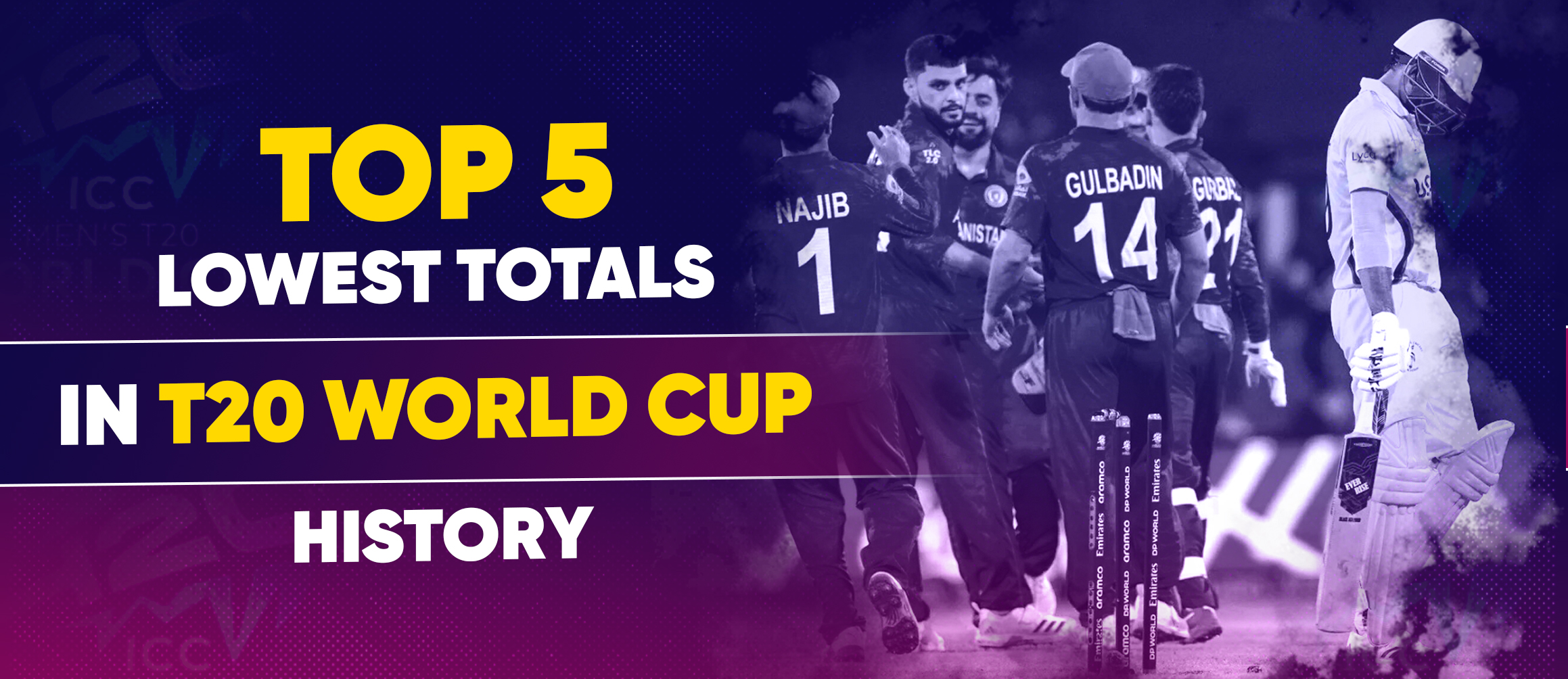
Top 5 Lowest Totals in T20 World Cup History
• 06 Jun, 24 • by Flash ExchangeThe recent T20 World Cup opener in New York saw Sri Lanka experience such a collapse, recording their lowest-ever score of a meager 77 against South Africa.